The Ivalojoki River, located in Finnish Lapland, is one of the last truly wild and untouched rivers in Europe.
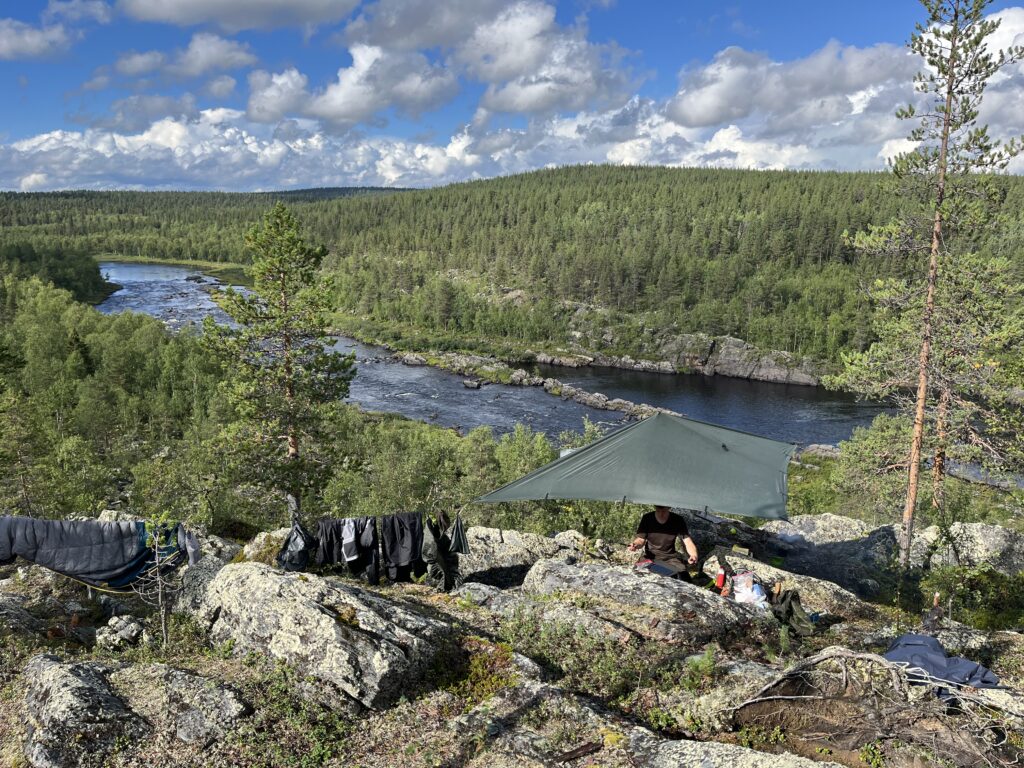
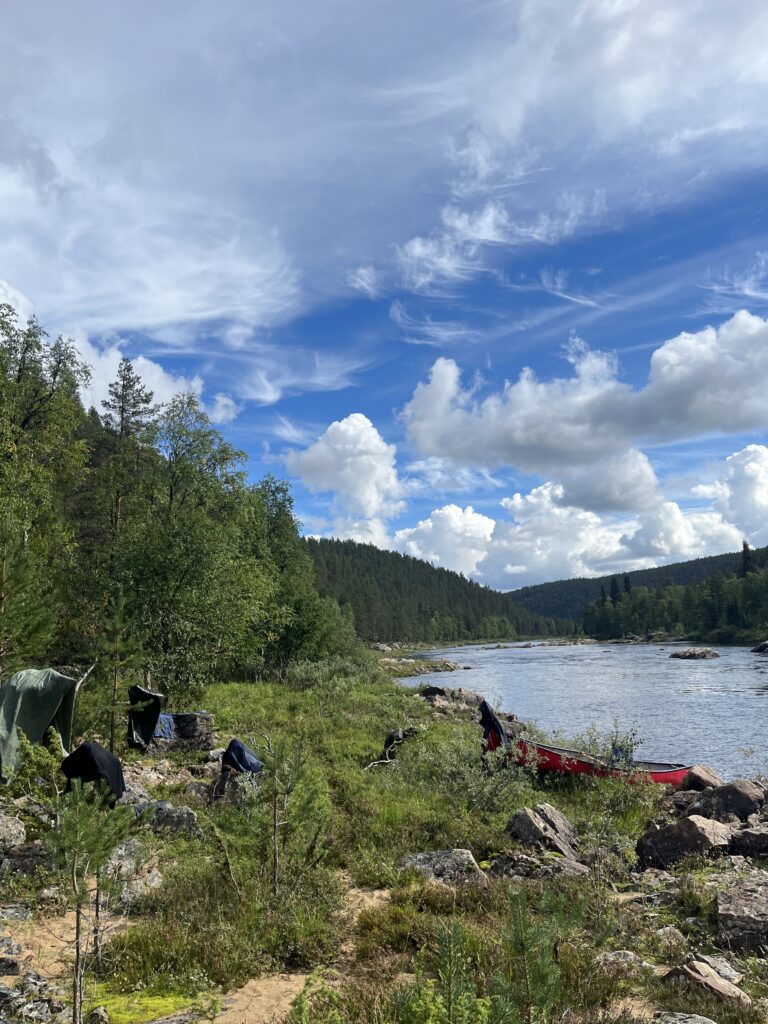
Canoeing the Ivalojoki means traveling through a landscape that feels raw and unshaped. Endless birch and pine forests, rocky riverbanks, narrow passages with gentle whitewater, and long calm stretches where time seems to slow down. During our ten-day canoe trip, we barely encountered anyone, which only strengthened the feeling of isolation and unspoiled nature.
Why choose a canoe trip on the Ivalojoki River?
I’ve done plenty of trekking trips before. Sweden, the Ardennes, carrying a heavy backpack and arriving at camp completely exhausted. There’s something satisfying about that kind of effort.
This time, I wanted something different.
Still remote. Still physical. But less punishing on the body.
A wilderness canoe trip offers exactly that balance. You’re active every day, reading water and weather, but your gear stays in the canoe instead of on your back.
We researched canoe trips in Sweden and Norway, but many routes focused on flat lake systems. Beautiful, but we were looking for flowing water, some mild rapids, and a stronger sense of adventure.
That search led us to canoeing the Ivalojoki River in Finland.
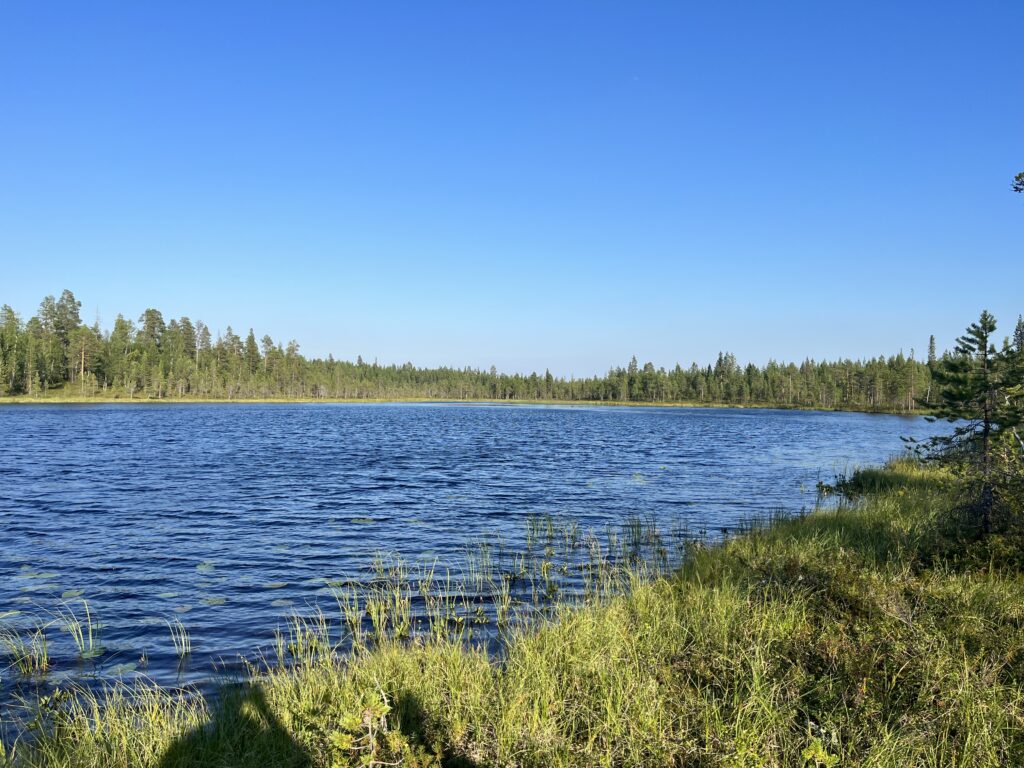
Where is the Ivalojoki River located?
The Ivalojoki River flows through Northern Finland, deep in Lapland, before eventually reaching Lake Inari. Large parts of the river run through remote wilderness areas with no road access, making it one of the best destinations in Europe for a multi-day canoe expedition.
Getting to Ivalo – starting point of the trip
Your canoe trip starts in the village of Ivalo, where most people rent their canoe and arrange transport to the river.
Option 1 – Fly to Ivalo
You can fly directly to Ivalo, usually with a layover in Helsinki.
This is the fastest option and usually the most expensive one.
Option 2 – Train & bus (slow travel option)
This is the route we chose, and it felt like part of the adventure.
Our journey:
- Flight from Amsterdam to Helsinki
- Night train (14 hours) from Helsinki to Rovaniemi
- Bus (4 hours) from Rovaniemi to Ivalo
Total travel time: around 24 hours.
What I loved about this route was how gradually the environment changed. As we moved north, towns became smaller, daylight shifted, and the landscape opened up. By the time we arrived in Ivalo, it already felt like we had left everyday life behind.
→ Book the train
→ Book the bus
Where to stay in Ivalo before the trip
We tried to keep things minimal and ended up camping in the forest just outside Ivalo. Which, in hindsight, wasn’t the best call. We had to haul all our gear and food out of the village for nearly an hour, only to walk it all back again the next day for our departure.
There’s a campsite right in Ivalo, and I’d strongly recommend staying there. It saves time, energy, and makes your first paddling day much more relaxed.
If you prefer more comfort, there are also guesthouses and small hotels available.
Renting a canoe for the Ivalojoki River
We rented our canoe from PolarCreek, a local rental company based in Ivalo.
They offer:
- Different canoe models
- Transport to multiple starting points along the river
- Waterproof barrels, life jackets, and helmets included
The owners were friendly, knowledgeable, and clearly experienced with the Ivalojoki.
Costs: 2 people, 10 days (2024)
- Canoe rental: €365
- Transport (Ivalo → Lisma): €295
Total: €660
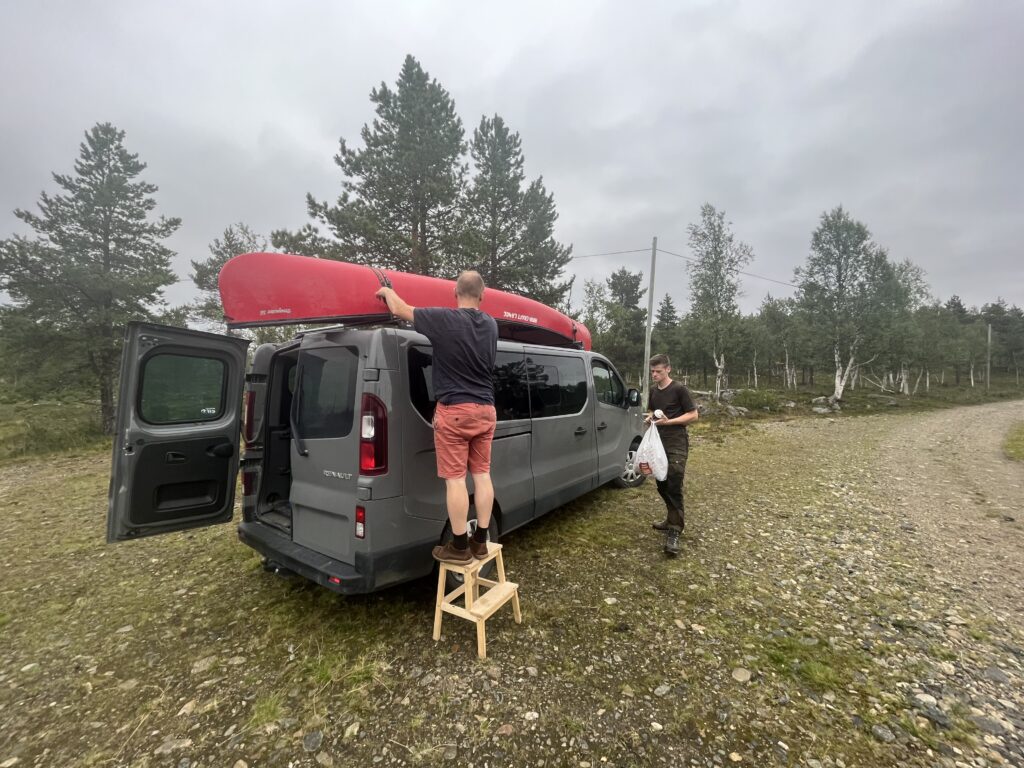
Ivalojoki River starting points
There are several common starting points along the river:
- Lisma
- Ivalon Matti
- Kuttura
- Tolonen
We started in Lisma, which offered a great balance between accessibility and wilderness. If you want to start elsewhere, most rental companies are flexible, just ask.
Different sections of the Ivalojoki River
The river can roughly be divided into five sections, each with its own character.
Upper river – Lake Korsajärvi to Ivalon Matti
Located deep inside Lemmenjoki National Park.
Beautiful but hard to reach (12 km hike). Best suited for early summer when water levels are high.
Ivalon Matti to Kuttura
Calm water with small rapids and very few people. A great section if you want to feel completely alone.
Kuttura to Lappispola
The most dramatic part of the river.
- Canyon landscapes
- Gold mining history
- Stronger rapids
This section isn’t very beginner-friendly and is better suited for more experienced paddlers or packrafters. We didn’t have much experience ourselves and managed fine overall, but a few of the rapids were definitely more intense than expected, we even flipped the canoe once.
Lappispola to Ivalo
Calmer water, more settlements, and more privately owned land.
Ivalo to Lake Inari
Wide, slow-flowing river with sandy beaches and open landscapes, beautiful, but very different from the wild upper sections.
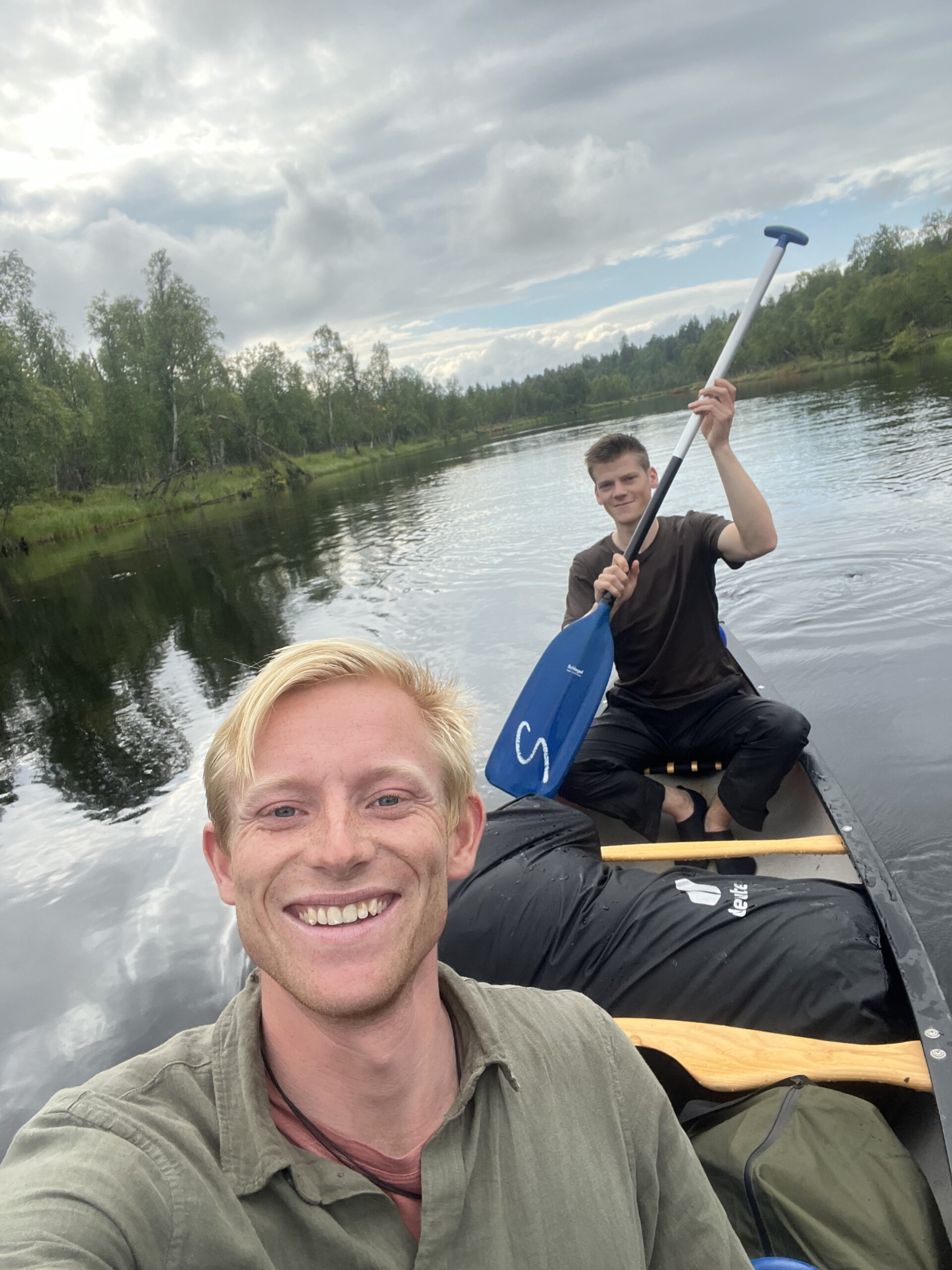
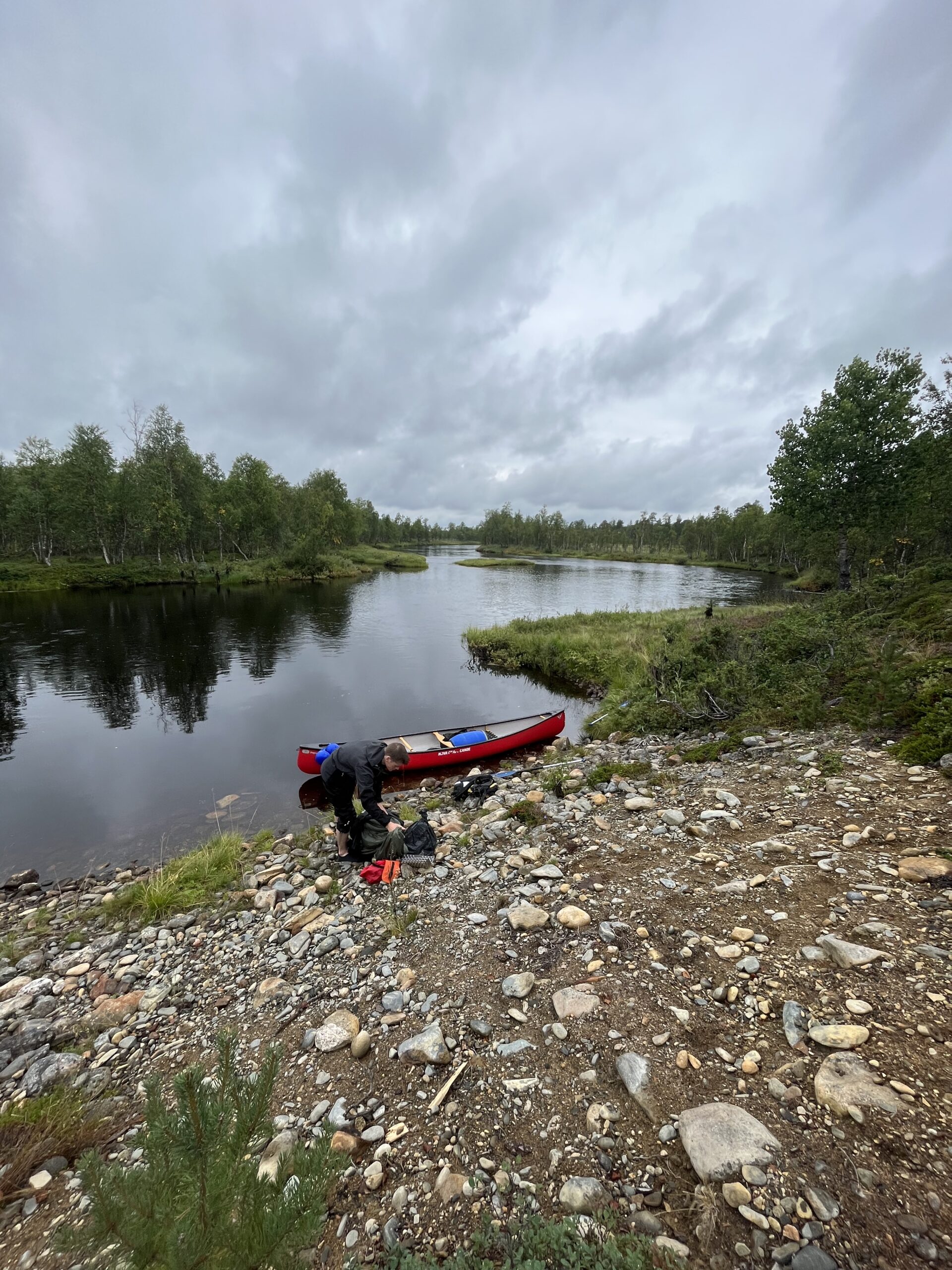
Our 10-day canoe trip on the Ivalojoki River
Days 1–2 – Getting started
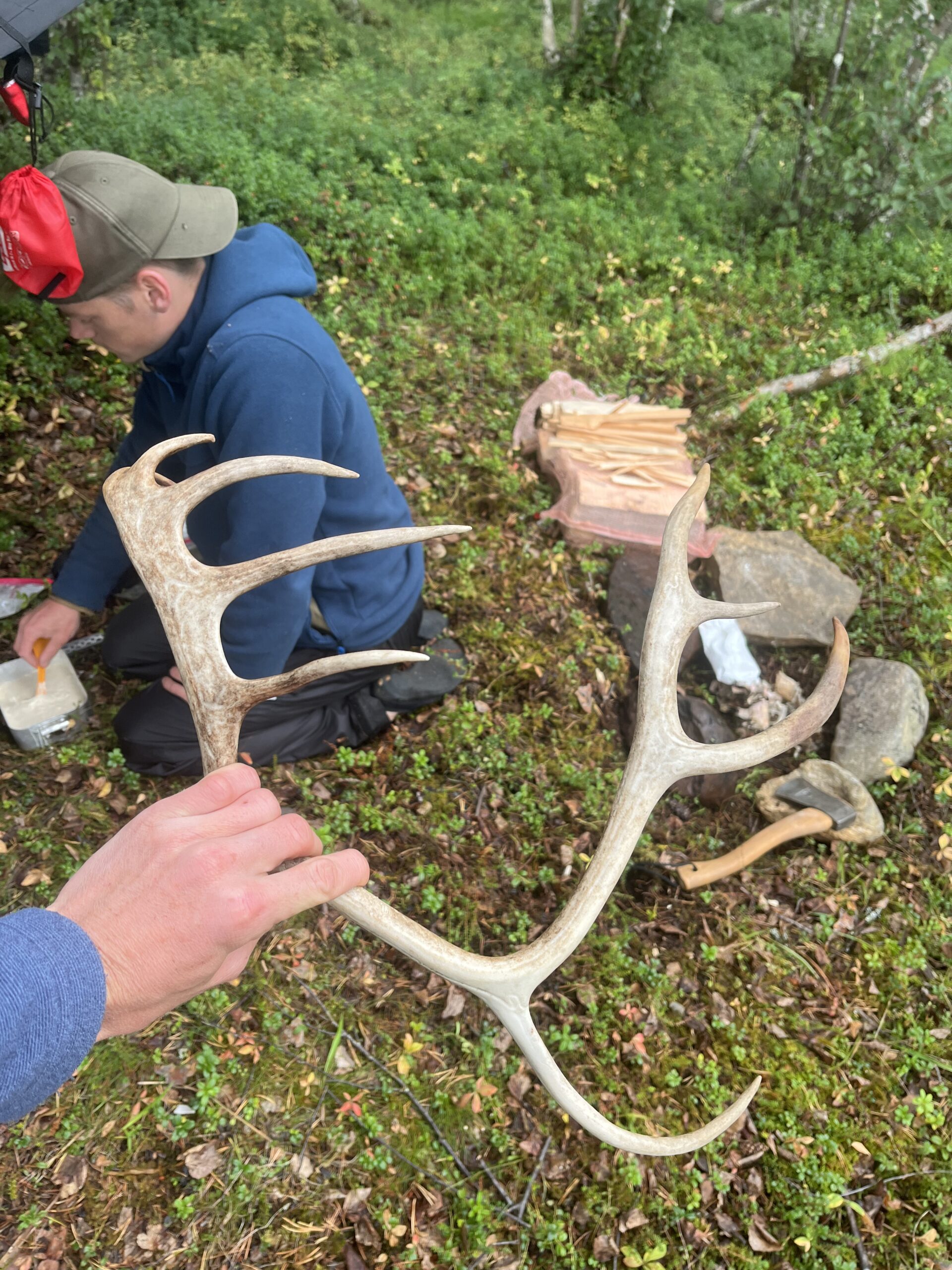
Pickup was at the supermarket in Ivalo, followed by a three-hour drive north. We spotted reindeer before we even reached the water.
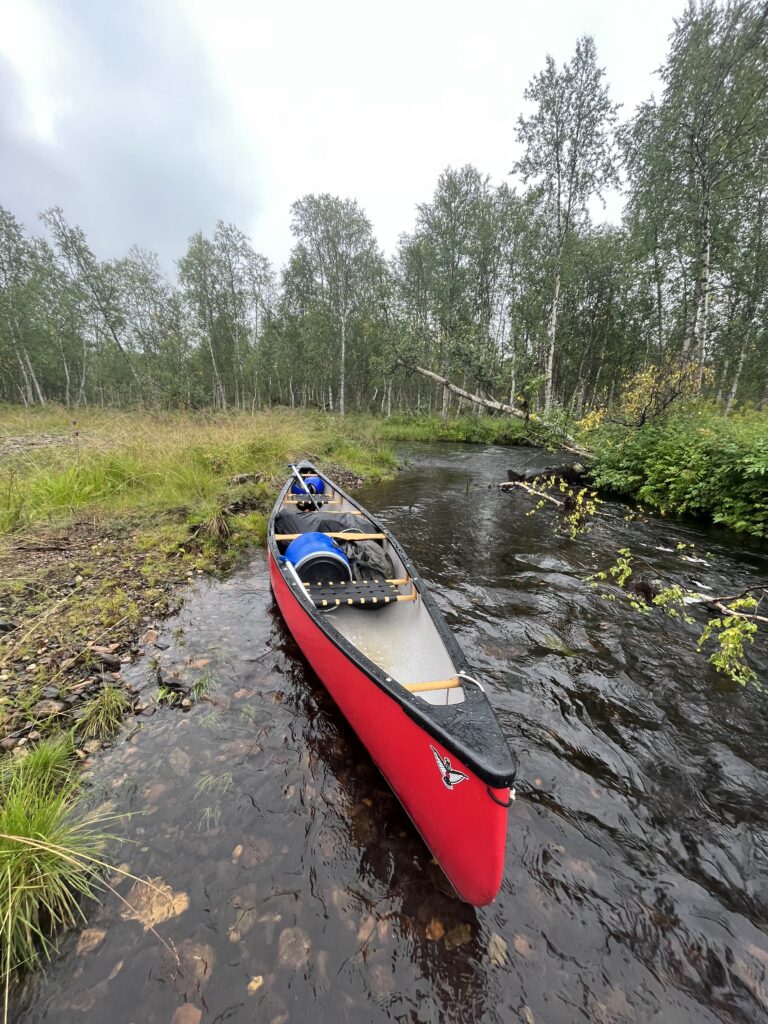
Within ten minutes of paddling the narrow side stream, we nearly flipped the canoe after hitting a fallen tree, great start.
The first section of the river is calm and forgiving, perfect for:
- Fine-tuning paddle technique
- Learning to read currents
- Getting comfortable with the canoe
At first, the swampy landscape felt underwhelming. Wet grasslands, little current, and few rock formations. I worried the entire trip might feel like this.
Luckily, the scenery soon changed.
Days 3–4 – Pine forests and fishing
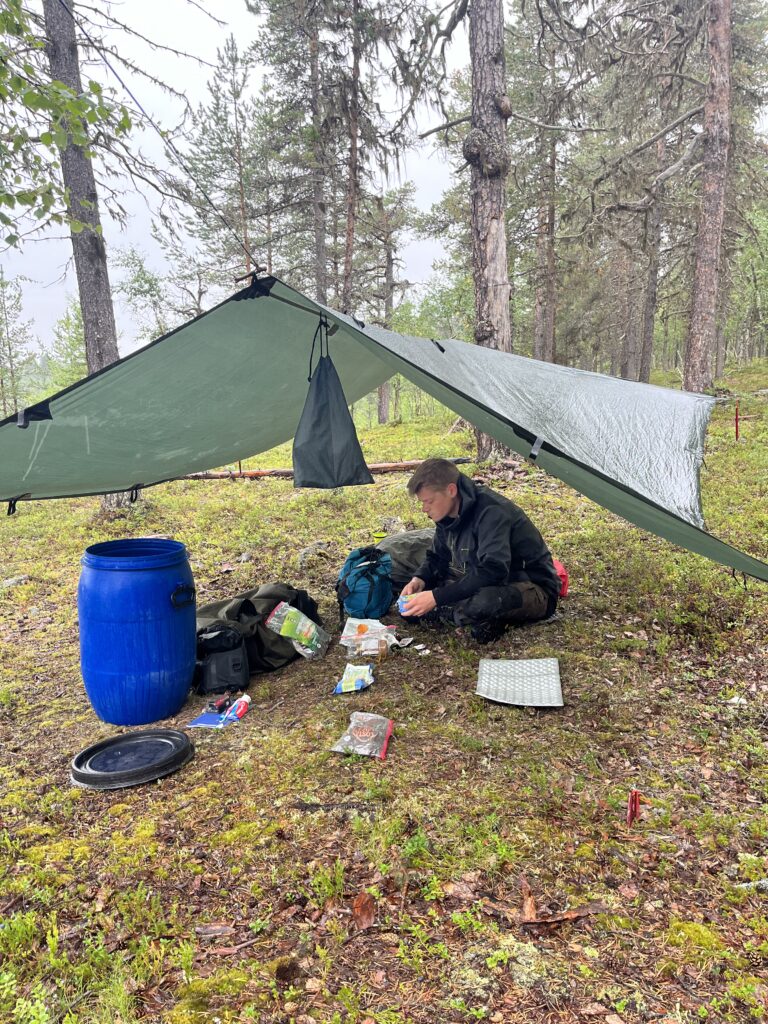
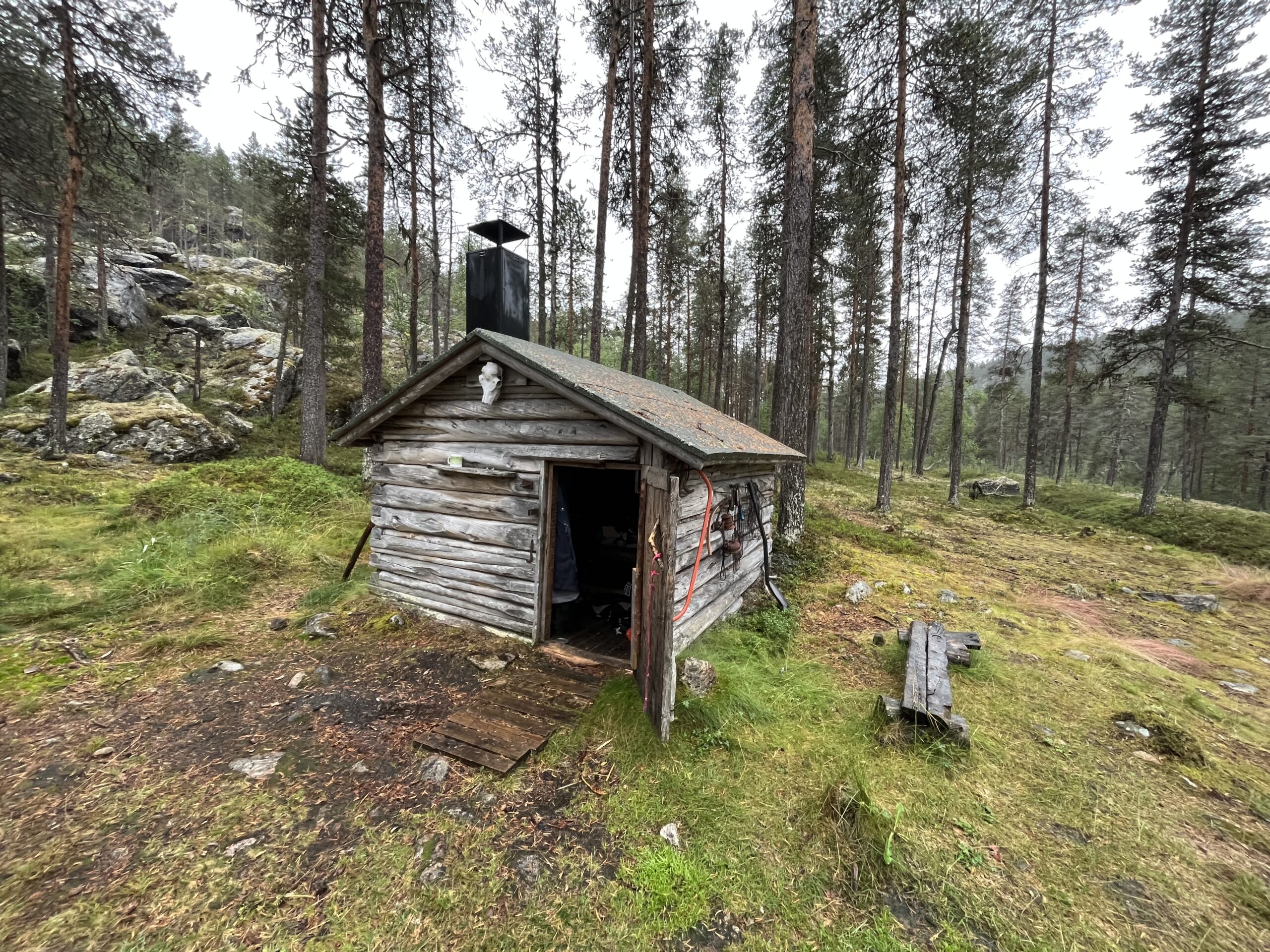
The landscape shifted into pine forests and rocky riverbanks. We intentionally took it slow, stopping early whenever we found a good campsite.
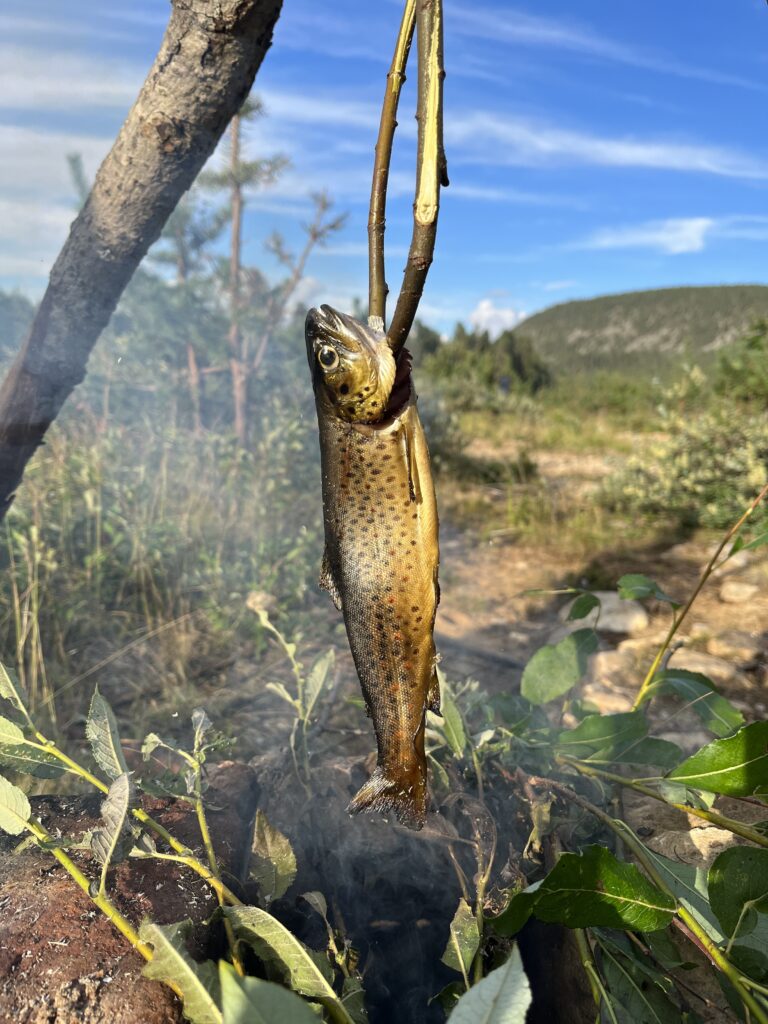
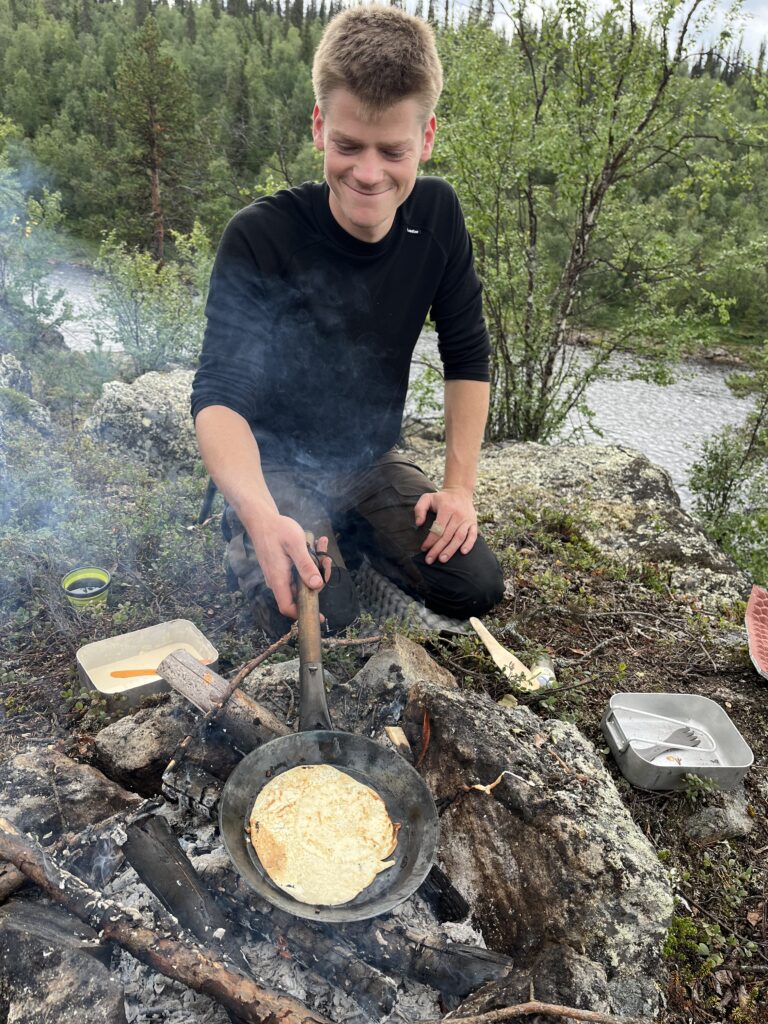
We tried fishing in calm water, no luck. We paddled upstream into faster current and cast again. First cast: a large trout. If you plan to fish, moving water is key. That night, the sun never really set. In Finnish summer, time becomes vague. You eat when you’re hungry. Sleep when you’re tired.
Days 5–7 – Weather and routine
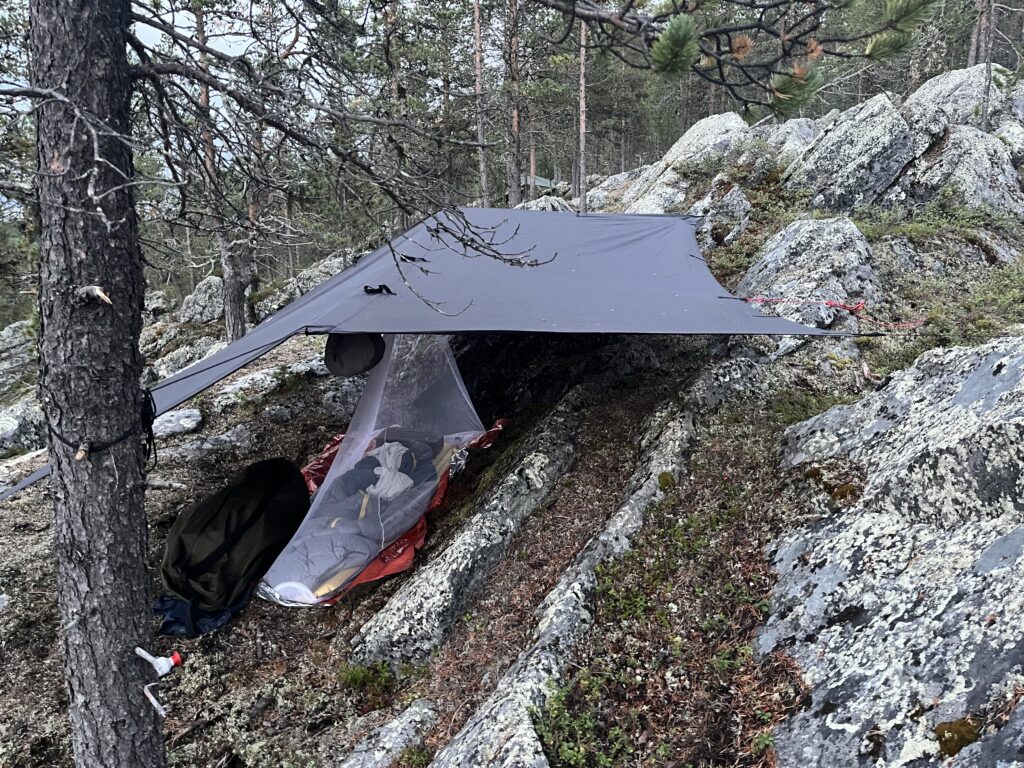
Rain woke us up tapping on the tarp. We packed as dry as possible and continued downstream. By midday, the rain cleared and sunlight steamed off the forest floor.
By now, a simple rhythm had formed:
- Paddle
- Scout camps
- Set up
- Eat
- Sleep
Days 8–10 – Letting the river decide
The final days felt effortless. Fewer kilometers, longer breaks, more time sitting on rocks watching the water pass.
The river widened, slowed, and gently returned us to civilization.
Practical tips for canoeing the Ivalojoki River
Safety on the Ivalojoki River
The Ivalojoki is wild, but it’s not extreme whitewater. That can make it feel deceptively safe.
When we rented our canoe from PolarCreek, life jackets and helmets were included. We had them with us the entire time. In the beginning, we wore them consistently. Later, as the river felt calmer and we grew more confident, we stopped wearing them most of the time.
That was probably a mistake.
When we flipped the canoe in one of the stronger rapids, we weren’t wearing anything. No helmet. No life jacket. Nothing serious happened, but it could have gone differently. Cold water, rocks, current. It doesn’t take much.
My honest advice: wear your life jacket at all times. Especially on a remote river like this. Helmets aren’t necessary on calm stretches, but in rocky or faster-moving sections they make sense.
Simple Canoe Tips for the Ivalojoki
You don’t need advanced whitewater skills to paddle the Ivalojoki, but a few basic principles make everything smoother and safer.
1. Keep Moving Forward
Momentum is control. In mild rapids, keep paddling. If you stop, the current decides where you go. Even a few steady strokes help you stay balanced and steer around rocks.
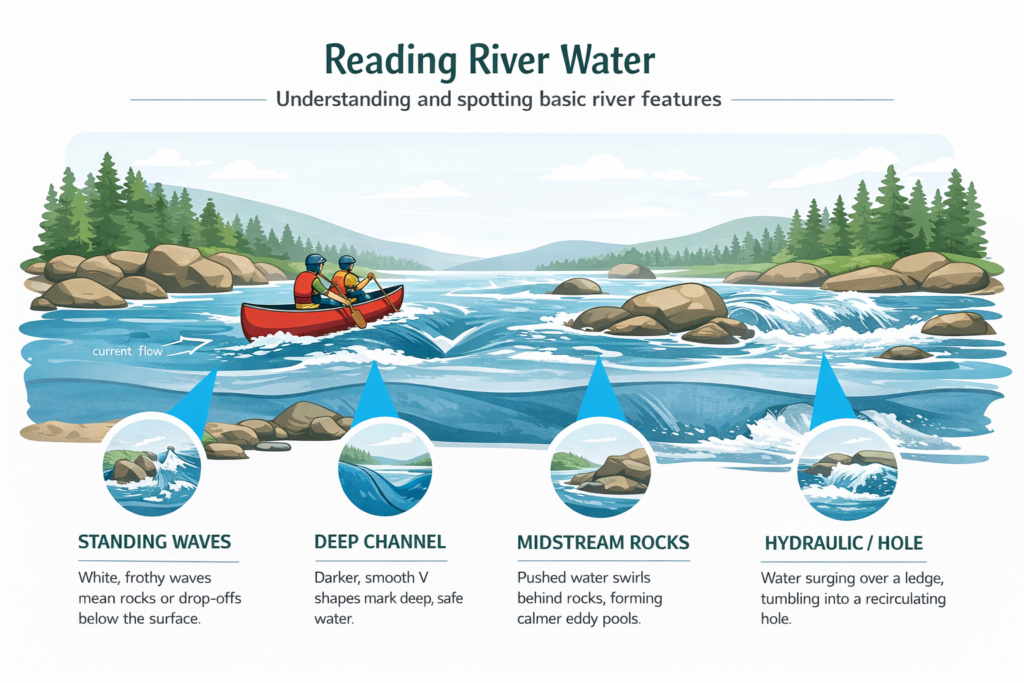
2. Read the Water Before You Enter
Take a second to look ahead.
- Smooth, darker water usually means deeper flow.
- Foamy, chaotic water often hides shallow rocks.
If something looks confusing or fast, get out and scout it from the shore. Walking 100 meters is better than swimming unexpectedly.
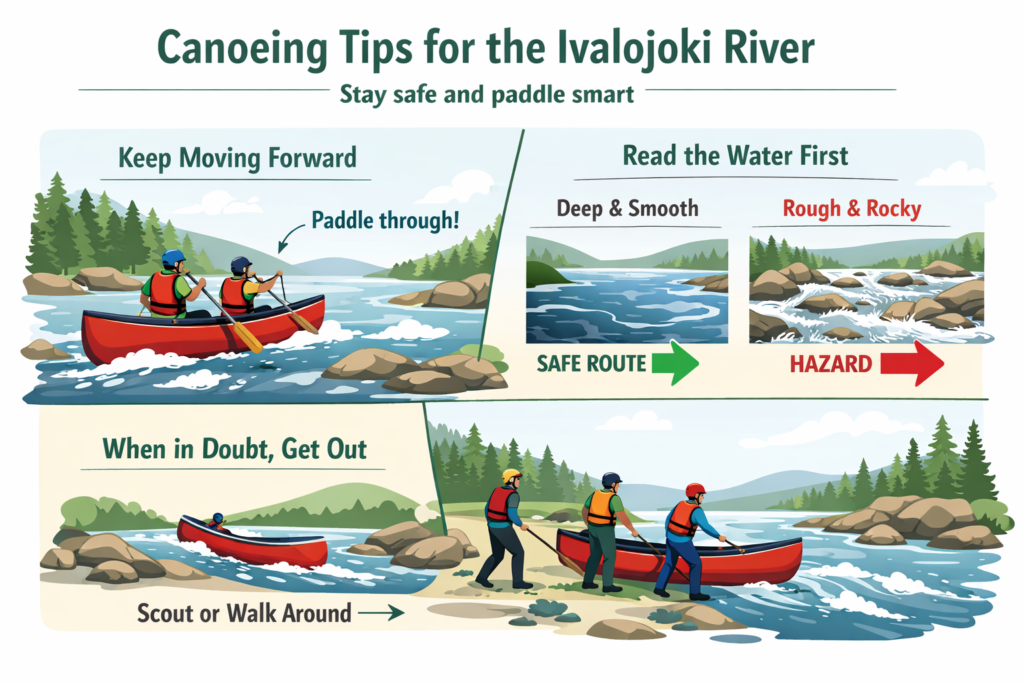
3. When in Doubt, Get Out
There’s no prize for paddling every rapid. Some sections, especially around Kuttura, are stronger than they first appear. If it doesn’t feel right, pull the canoe along the bank and re-enter below the rapid.
Fishing license
You need a valid Finnish fishing license.
How many days do you need?
- Short section: 4–6 days
- Upper river: 8–10 days
- Full river: 10–14 days
What to bring
I’ve written a full packing guide here:
→ What to pack for a wilderness canoe trip
Is canoeing the Ivalojoki River worth it?
If you’re looking for a canoe trip in Europe that still feels genuinely wild, canoeing the Ivalojoki River in Finnish Lapland is hard to beat.