I recently fell in love with the monoski.
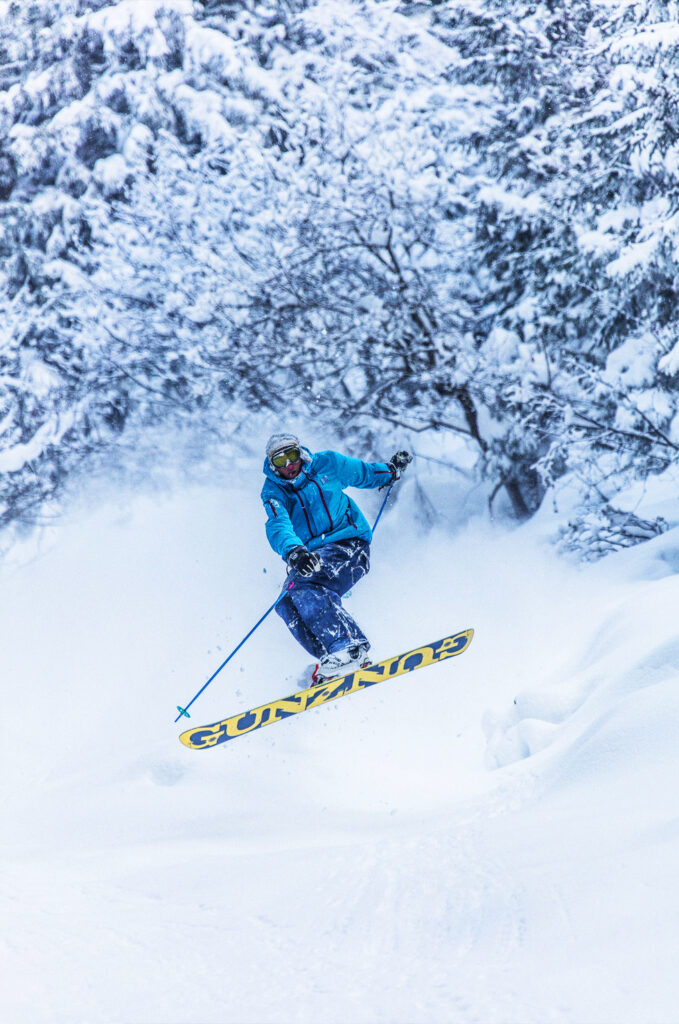
At the resort where I’m working, there’s this one guy who rides one almost every day. He’s properly ripping on it, carving clean turns, super stable, always in control. It just looked cool.
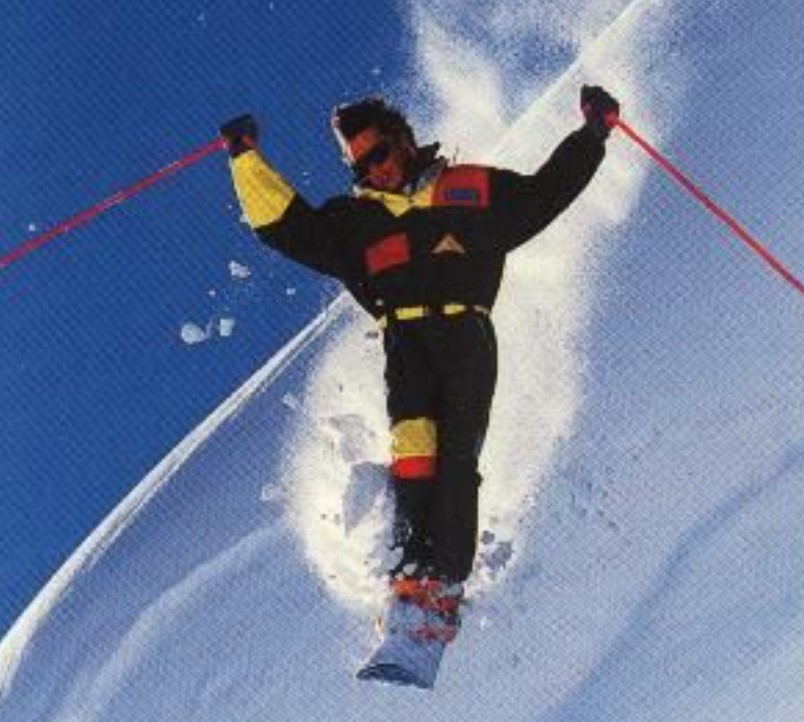
I’d seen monoskis before, but never really considered trying one. They were big in the 80s and 90s, before snowboarding took over most of the attention. After that, they kind of faded into the background.
Still, I couldn’t get it out of my head.
So I checked a second-hand marketplace back home and picked one up.
My first run was shaky. It felt heavy and different. But after a couple of runs, things started to click. It’s surprisingly intuitive if you already know how to ski.
When I started looking for advice online, I found almost nothing useful. So here’s the post I wish I had before I clicked into one for the first time.
What Is a Monoski?
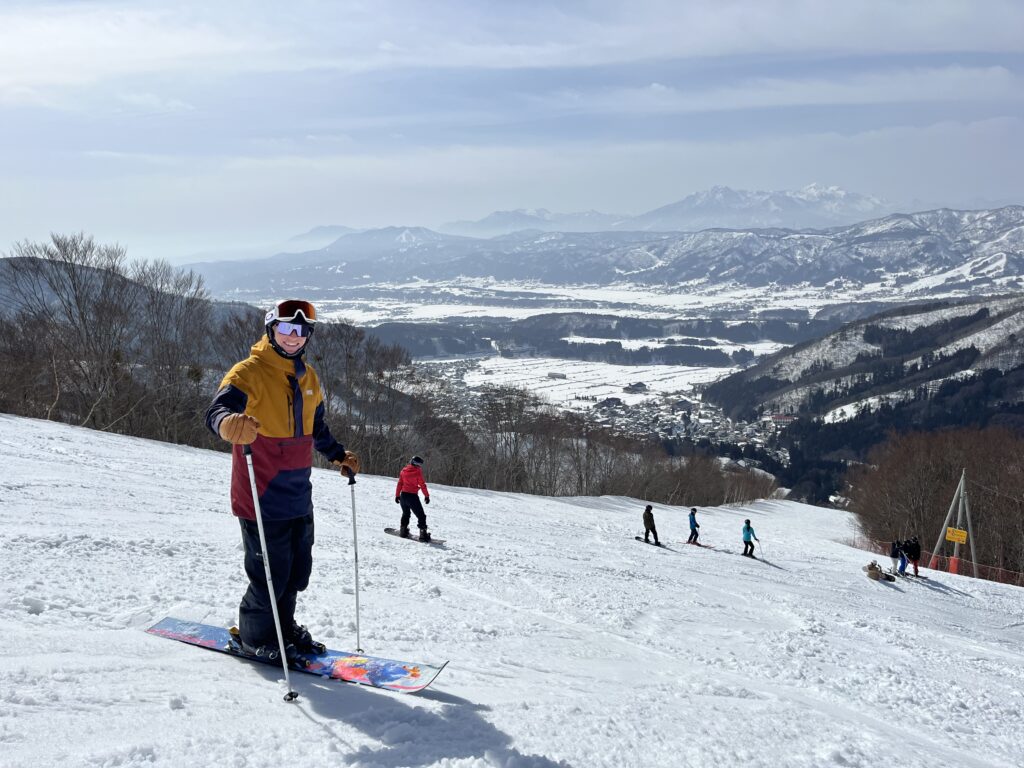
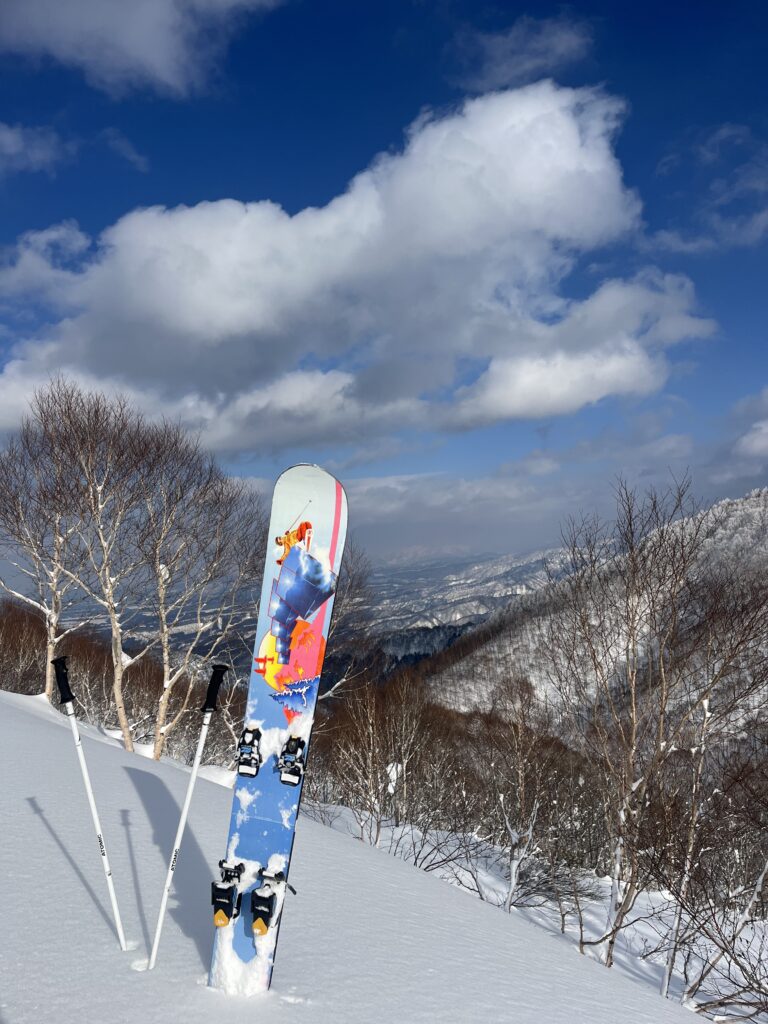
A monoski is exactly what it sounds like: one ski, two bindings mounted side by side, both feet pointing forward, like skiing with permanently parallel skis.
It shares DNA with skiing, but it rides differently. It’s not a snowboard. It’s not traditional skiing. It’s somewhere in between, but also its own thing entirely.
Before trying a monoski, you should at least be comfortable skiing parallel and carving on regular skis. The better your balance and edge control, the faster you’ll adapt.
What Size Monoski Should You Get?
I’m 178 cm and I bought a 185 cm monoski, which was pretty standard “back in the day.”
It’s incredibly stable at speed. But turning it? It’s a weapon. You have to mean it.
If you’re starting out, I’d recommend something shorter. Around 165–175 cm is the sweet spot. A shorter monoski will:
- Be more playful
- Initiate turns easier
- Feel less intimidating
- Allow quicker edge changes
Once you understand the feeling, you can always go longer for stability.
Old School vs Modern Monoskis
If you’re buying second-hand, you’ll likely end up with an older model.
Old school monoski:
- Cheap and easy to find
- Heavy (lots of metal construction)
- Very little sidecut
- Harder to carve short radius turns
The lack of sidecut makes them feel more “rail-like.” You really have to drive them.
Modern monoskis:
- Lighter
- More sidecut
- Much easier to carve
- More forgiving
I’d honestly recommend starting on a cheap old one just to see if you actually like it (I mean… who doesn’t). If you fall in love with it, upgrade later.
Biggest Tips for Learning the Monoski
This is where the real differences start.
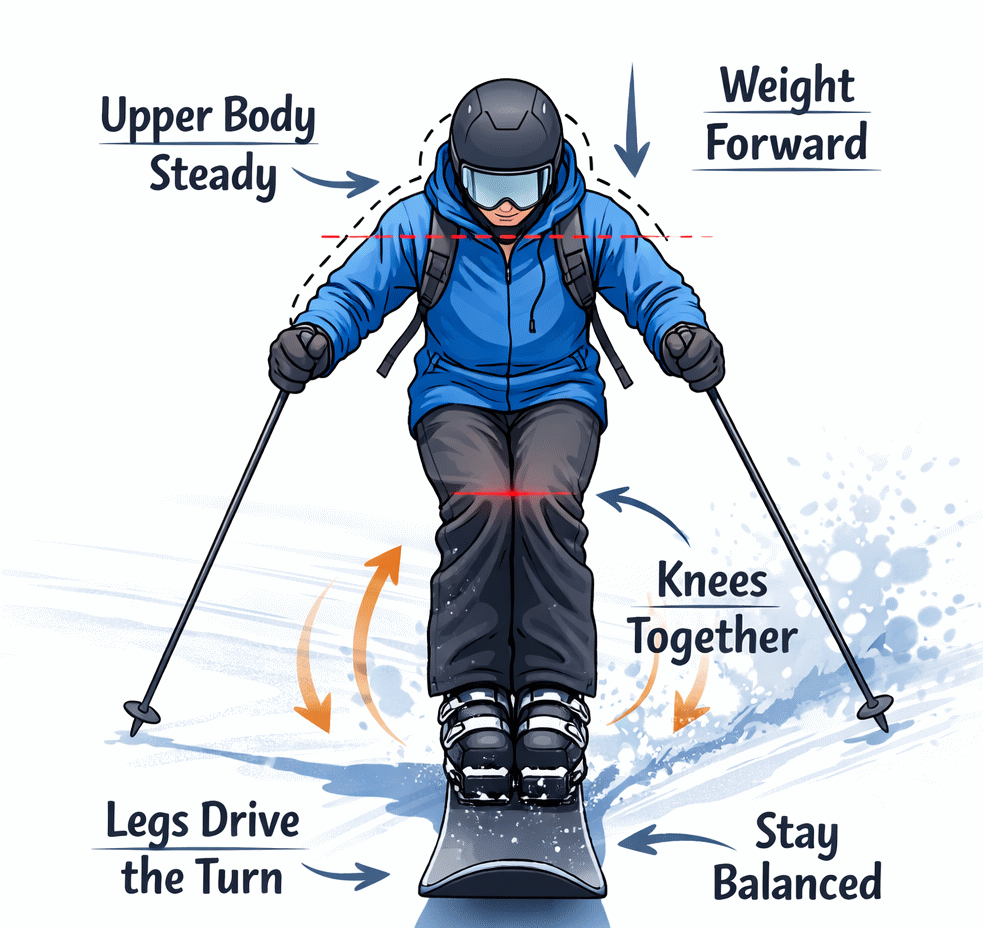
1. Be More Forward Than You Think
In skiing, everyone talks about staying centered.
On a monoski? You need to be even more centered.
Press into your shins. Drive the front of the ski. As soon as you drift into the backseat, you lose control and start sliding out.
If something feels off, the first thing to check is:
Am I centered enough?
Usually the answer is no.
2. Think of It as One Big Platform
The biggest mental shift:
On skis, you pressure your outside ski.
On a monoski, you’re always technically standing on your inside leg.
But that’s not how it should feel.
Think of the monoski as one single platform. Instead of pushing one leg harder, think about pressing both legs outward at the same time to engage the edge.
Symmetry helps. Overthinking “inside vs outside” doesn’t.
3. Keep Your Knees Together
This is huge.
In skiing, when you lose balance, you can step out slightly. Your legs move independently.
On a monoski, your legs are fixed. If they separate, you lose structure and stability.
Keeping your knees together:
- Improves balance
- Makes edge engagement cleaner
- Prevents weird twisting
I’ve even seen people wear a band around their knees while learning to force them to stay aligned.
4. Separation Is Everything
Upper body quiet. Legs active.
If you already ski, you know this concept. But on a monoski it becomes even more important.
Your legs absorb terrain.
Your upper body stays calm and stable.
Think of a mogul skier: torso steady, legs doing all the work.
If your upper body starts flopping around, the monoski reacts immediately and throws you off balance.
5. Pole Planting Helps More Than You Think
A strong pole plant gives you:
- Rhythm
- Stability
- A third contact point
- Confidence entering turns
It makes everything calmer.
On a monoski, small technical inputs make big differences and a solid pole plant smooths things out massively.
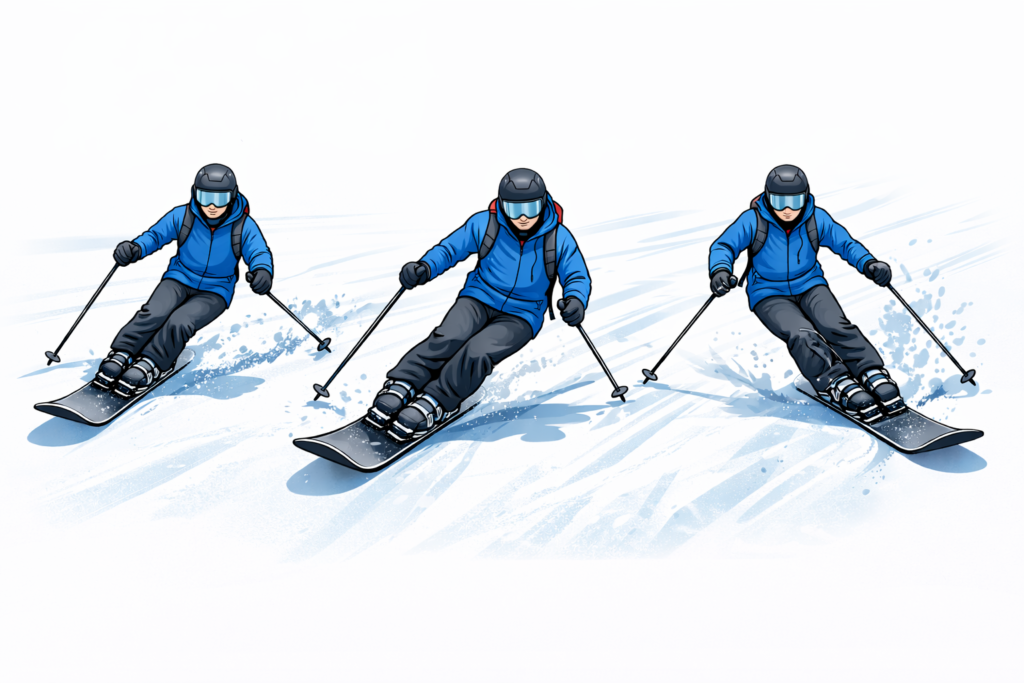
6. Stay Compact
Lower your stance slightly. Add some core tension. Make yourself a bit smaller.
The more loose and upright you are, the more unstable it feels.
Compact = stable.
7. When You Fall, Accept It
You can’t step out like on skis.
If you’re going down, you’re going down.
Usually you just slide onto your side. Fighting it only makes it more awkward.
Practical Stuff: Getting Around on a Monoski
Clicking In
Start with your uphill leg first.
This gives you edge grip immediately. Doing the downhill leg first makes things unnecessarily difficult.
Interestingly, this is the opposite of what we do on skis.
Chairlift & Lift Lines
At first, it might be easier to unclip one boot in the lift line to move around more easily.
Later, when you feel comfortable, you can stay clipped in.
On flat sections, I find it easiest to push with my back foot behind the monoski. Similar to how snowboarders move.
On the chairlift, I prefer staying clipped into both boots so the weight of the monoski is supported evenly.
Why the Monoski Is So Much Fun
It feels powerful. There’s something old-school about it. And almost nobody rides them anymore, which makes it even cooler.
You’ll get comments. Questions. Curious looks in the lift line.
If you’re a solid skier and looking for something new, without switching fully to snowboarding. Then the monoski might be the most underrated way to fall in love with sliding on snow again.
Where to Get a Monoski
If you’re looking to buy a monoski, Snowguns.com sells them through their mono ski website. They offer modern setups and proper bindings, which is great if you’re serious about getting into the sport.
That said, if you’re just curious and want to try monoskiing first, I’d suggest picking up an old one from a second-hand marketplace. There are still plenty floating around from the 80s and 90s, and they’re often very affordable.
Just make sure the bindings are still in good condition. Old or worn-out bindings can be unsafe, and that’s not something you want to gamble with.
Start cheap, see if you love it, and upgrade later if you’re hooked.