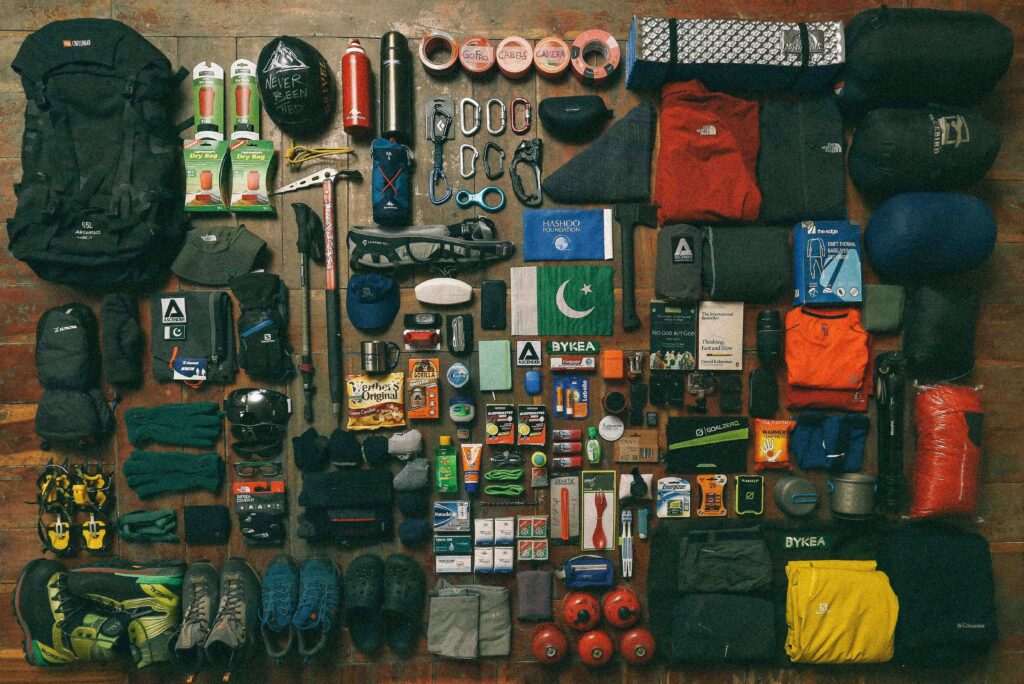
When people start skiing, they often think staying warm means wearing as many layers as possible. In reality, the secret to staying comfortable on the mountain is staying dry and managing your layers properly.
Weather in the mountains can change quickly. A cold morning can turn into a warm sunny afternoon, or the wind can suddenly pick up. That’s why layering is so important. You want to be able to add or remove layers during the day.
After many seasons skiing and working as a ski instructor, this is the setup I usually wear on the slopes.
Base Layers (Thermals)
Your base layer is one of the most important parts of your ski clothing.
I always wear thermal base layers, but not very thick ones. A lot of beginners make the mistake of wearing extremely warm thermals, which often makes them sweat too much.
Once you start sweating, you actually get colder later in the day.
A thin merino or synthetic thermal layer works much better because it regulates temperature and moves moisture away from your skin.
Ski Socks
Ski socks are another thing that people often get wrong.
The best ski socks are usually thin and breathable, not thick. Thick socks trap sweat and can make your feet wet and uncomfortable. One thin pair of ski socks is usually perfect.
Also important: never wear two pairs of socks in ski boots. It creates pressure points and reduces circulation, which actually makes your feet colder.
Tip for Cold Feet
Cold feet are a common problem while skiing, especially on very cold days or long chairlift rides. If you struggle with cold toes, there are a couple of simple tricks that can help.
One option is using a boot glove, which is a neoprene cover that goes around your ski boot. It adds a bit of insulation and helps block cold wind while you’re sitting on the chairlift.
Another trick some skiers use is adding a small piece of aluminium tape to the toe area of your insole. The tape helps reflect heat back toward your toes and can make a noticeable difference on cold days.
Ski Boots
Good ski boots make a huge difference to your comfort on the mountain.
I personally ski with Tecnica Mach 120 boots, which work very well for my slightly wider feet. They are supportive but still comfortable enough to wear all day.
Every foot is different though, so the most important thing is finding a boot that fits your foot shape well.
Comfort and proper fit are always more important than brand or stiffness.
Ski Pants (Why I Like Bibs)
Instead of normal ski pants, I really like using bib pants. I currently use the 686 bib, which I find very comfortable.
The advantage of bibs is that they cover your torso, which helps keep snow out and adds a bit of extra warmth. Because of this, you often don’t need a powder skirt in your jacket.
They’re especially nice on deep snow days when you’re falling or skiing powder.
Ski Jacket and Mid Layers
On most days I wear a ski jumper or fleece over my thermal base layer, with my shell jacket on top.
If it gets really cold, I add a light puffer jacket underneath my shell. This layering system works well because you can easily adjust it throughout the day.
Helmet
I always ski with a helmet. I currently use the POC Fornix. I’ve already broken two helmets over the years, so they’re definitely lifesavers.
Apart from safety, helmets also keep your head warm, so you usually don’t need a thick hat underneath.
Neck Warmer (Very Important)
A neck warmer or buff is something I always bring.
It protects your neck and face from wind, snow, and cold air, especially on chairlifts.
A simple trick is folding the neck warmer double, which makes it thicker and works almost like a balaclava around your face when it gets really cold.
Gloves or Mittens
I personally prefer mittens instead of gloves because they keep your fingers much warmer.
My favorites are the Hestra Fall Line mittens. They’re extremely warm, durable, and Hestra has a great warranty. One thing I really like is that you can remove the inner liner, which makes it much easier to dry them overnight.
Goggles
Good goggles are essential for skiing in different weather conditions. I used to have goggles with magnetic lenses, but I often found them fogging up or being a bit of a hassle.
Now I just keep it simple with two pairs of Oakley Line Miner goggles:
- one lens for sunny days
- one lens for low visibility
This covers almost every condition you’ll encounter on the mountain.
Sunglasses
On warm spring days or sunny afternoons, goggles can sometimes get sweaty. That’s why I also carry a pair of sunglasses, which are perfect for relaxed skiing in warm conditions.
Small Extras That Make a Difference
A few small things that are nice to have while skiing:
- Lip balm with SPF (the sun is strong in the mountains)
- Sunscreen
- Snacks for longer ski days
- A small backpack if you want to carry food, water, or avalanche gear when heading into the backcountry
A Tip From a Ski Instructor
One of the most common mistakes I see as a ski instructor is people overdressing.
They start the day warm, but after a few runs they begin sweating. Later, when they sit on the lift or the wind picks up, they suddenly feel cold. The key to staying comfortable is good layering and moisture control.
Dress in layers so you can adjust during the day, and try to stay dry rather than overly warm.
Final Thoughts
The exact gear you wear while skiing will always depend on personal preference and weather conditions.
But in general, a simple layering system, good ski socks, comfortable boots, and warm gloves will make your day on the mountain much more enjoyable.
The goal isn’t to wear as much gear as possible, it’s to stay comfortable so you can focus on skiing.
If you’re interested in trying something different on the mountain, you can also check out my guide on learning to ride a monoski and what I learned during my first days on one.