In Mongolia, animals outnumber people by a huge margin. With around 3.4 million inhabitants and more than 70 million livestock, it quickly becomes clear how central animals are to everyday life. Outside the cities, you often see herds of horses, goats and sheep long before you see houses or villages.
Horses Everywhere
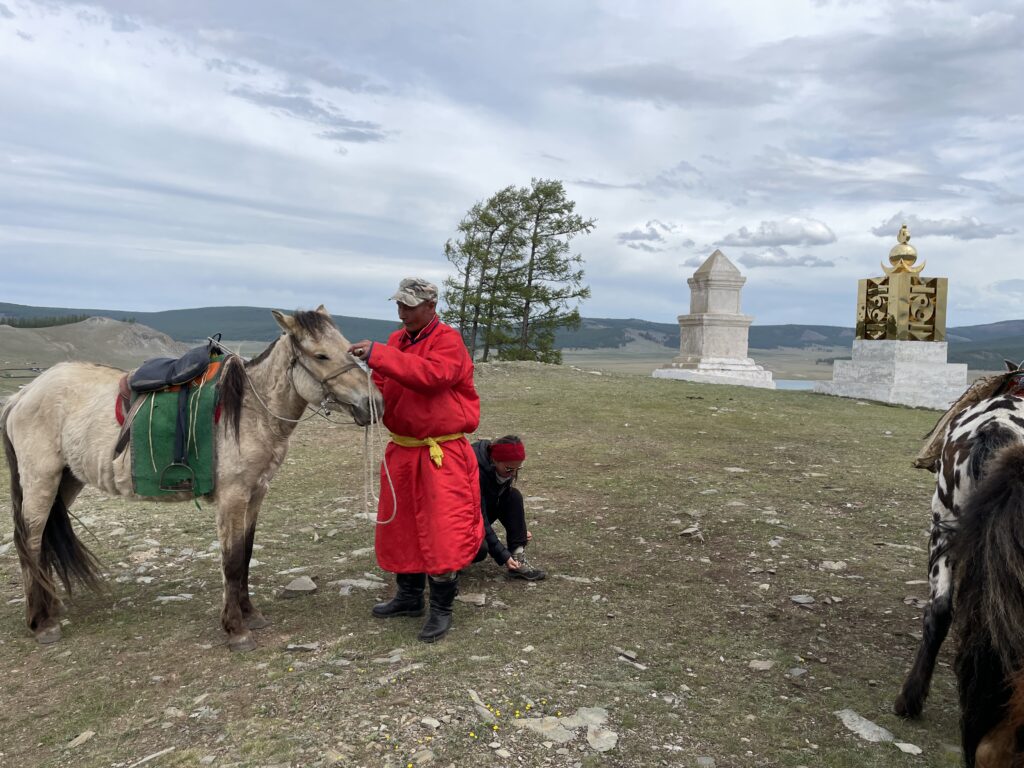
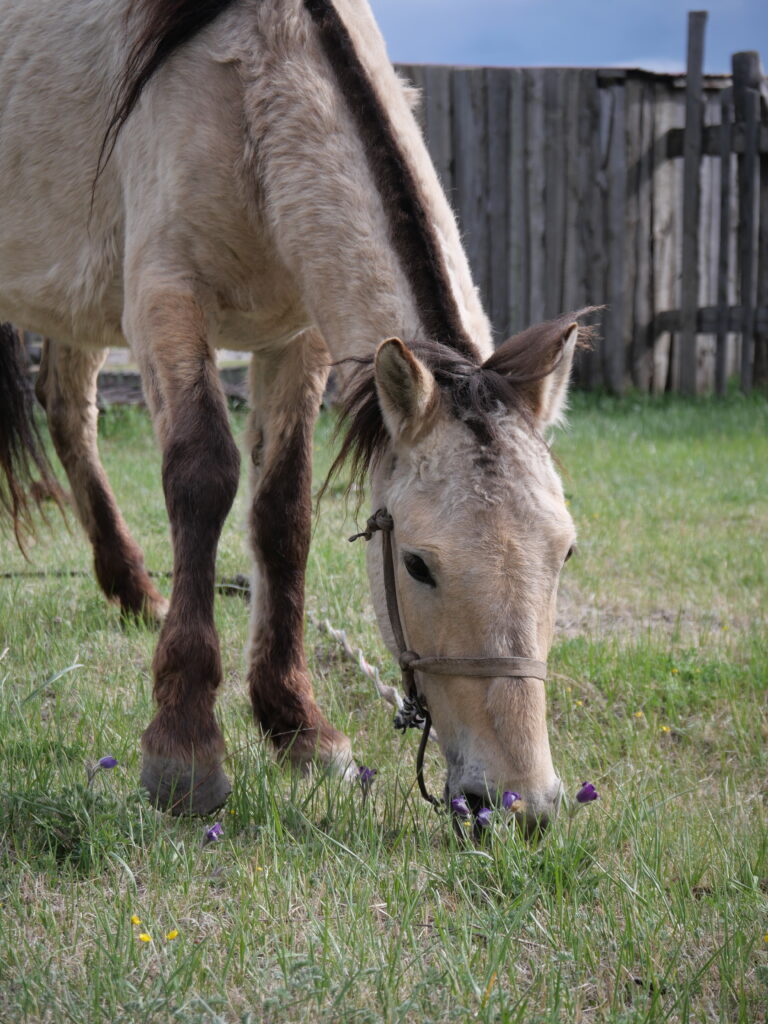
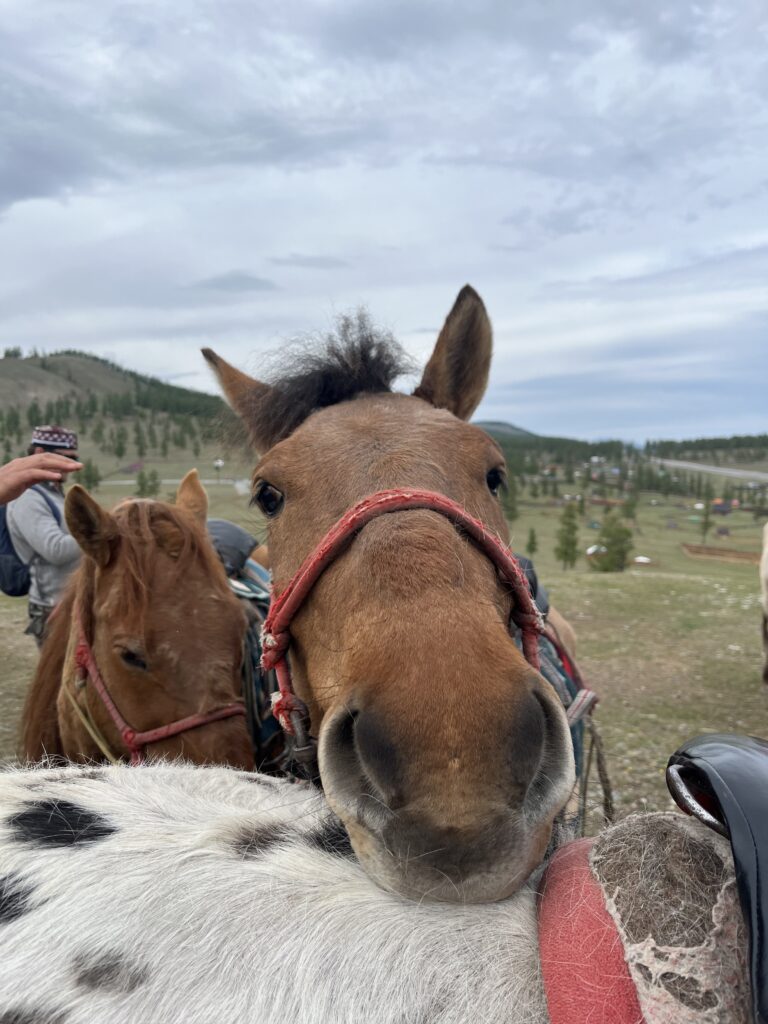
Horses are often the first animals you notice in Mongolia. You see them grazing freely across the steppe, usually in large herds. In many rural areas horses are still one of the main ways people move across long distances.
During my stay in Mongolia, I also travelled on horseback for a while. Moving at that slower pace gives you a very different feeling for the landscape and for nomadic life.
You will often find horses standing on tracks or near campsites. Try to slow down and give them space, a sudden noise or quick movements can startle them. Trust me, getting kicked by a horse is not something you want to experience.
A fun detail I noticed is that many of the ropes used around gers are traditionally made from horse hair. These ropes are extremely strong and durable, often lasting much longer than modern synthetic alternatives.
👉 Curious what travelling through Mongolia on horseback is like? Read more about my horse riding experience here.
Yaks in Mongolia
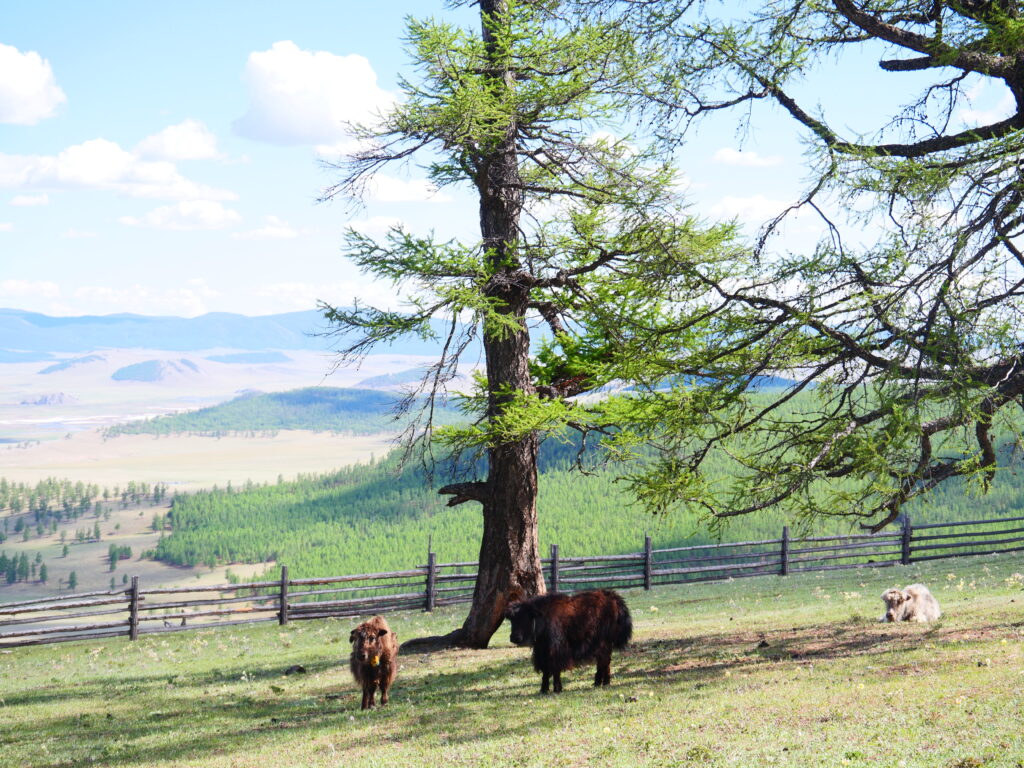
In many parts of the country you are likely to encounter yaks. They are large and impressive animals but generally calm. It’s still smart to keep a respectful distance and avoid riding or walking too close through a herd. Their presence often means you are travelling in higher and more remote terrain.
If you get the chance, buying yak wool socks from local families is highly recommended. They are incredibly warm, surprisingly soft and perfect for cold nights in a tent.
Sheep and Goats
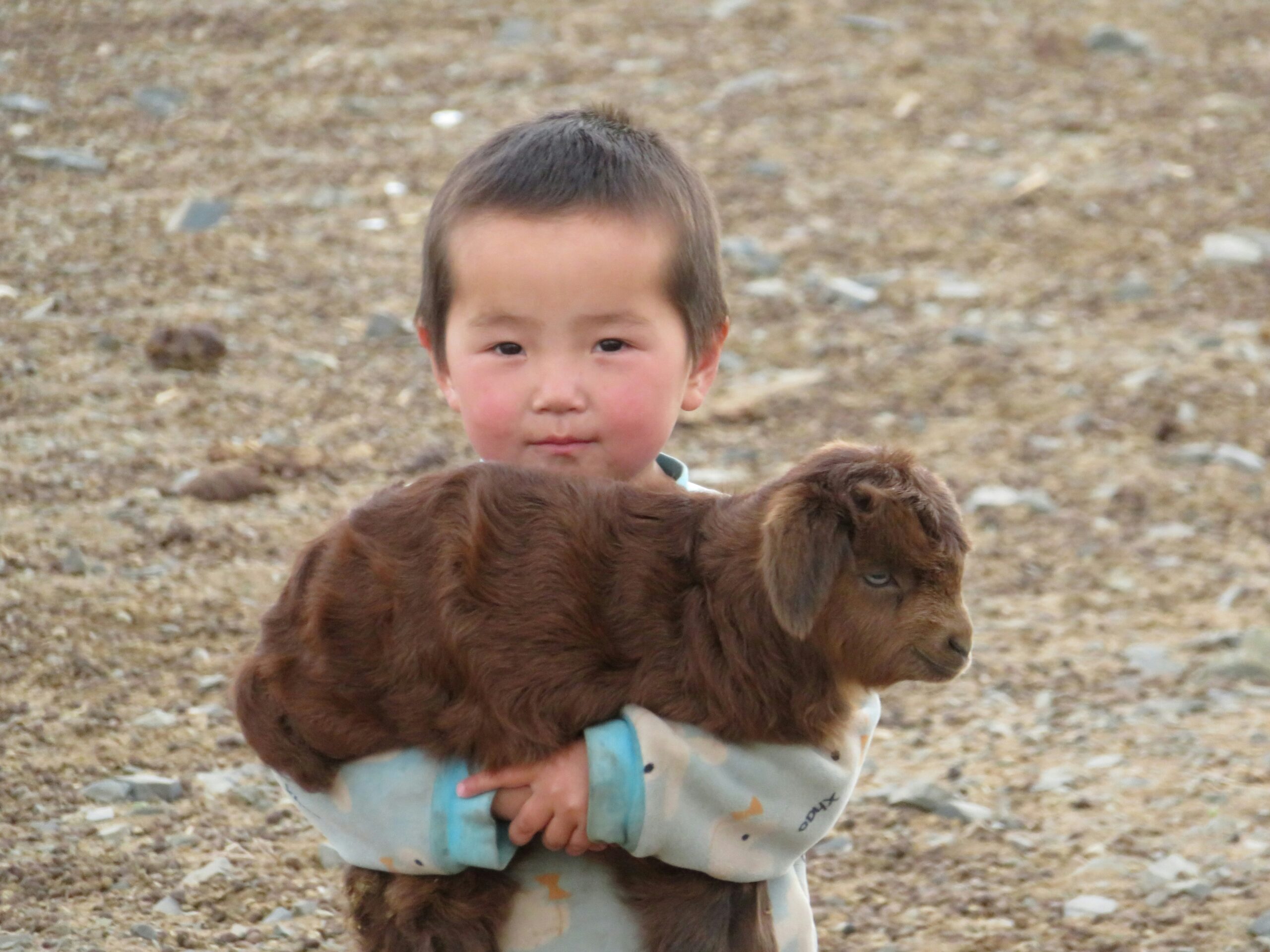
Sheep and goats are probably the animals you will see most often. Large herds slowly move across valleys, hills and tracks. This can occasionally delay your progress, but it also becomes part of the rhythm of travelling in Mongolia.
Camels in the Drier Regions
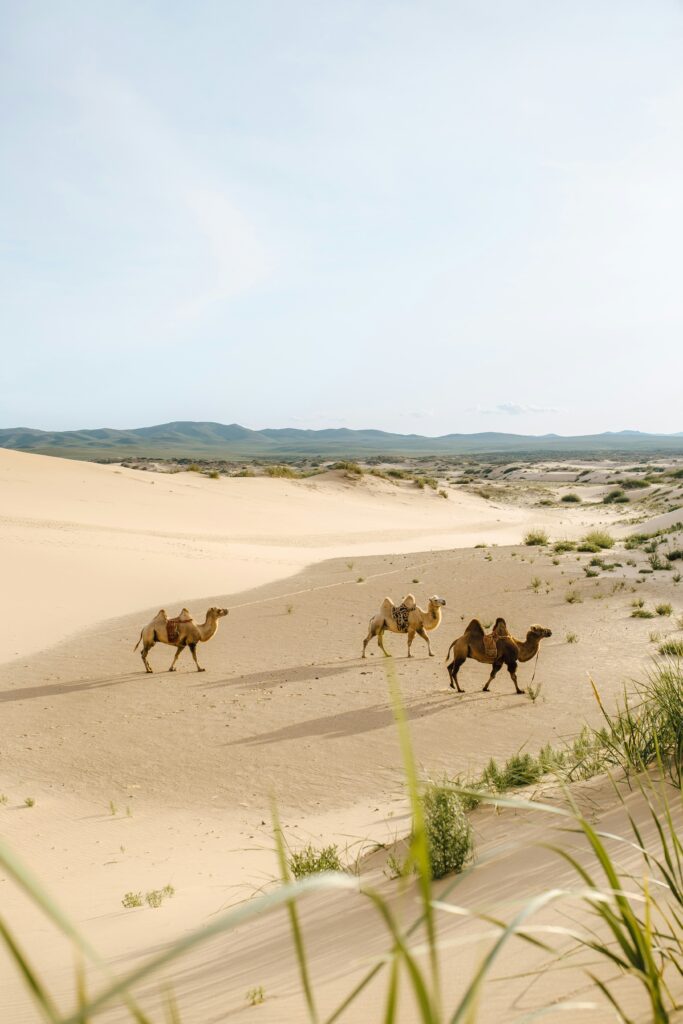
In the southern and more desert-like regions you may encounter Bactrian camels. They move slowly and often seem very relaxed, but like all large animals they can behave unpredictably. Giving them enough space is always the best approach.
I came across a few walking on the highway, completely unbothered by traffic. They take their time, and you should too. Slowing down and passing calmly helps avoid scaring them.
Birds of Prey Overhead
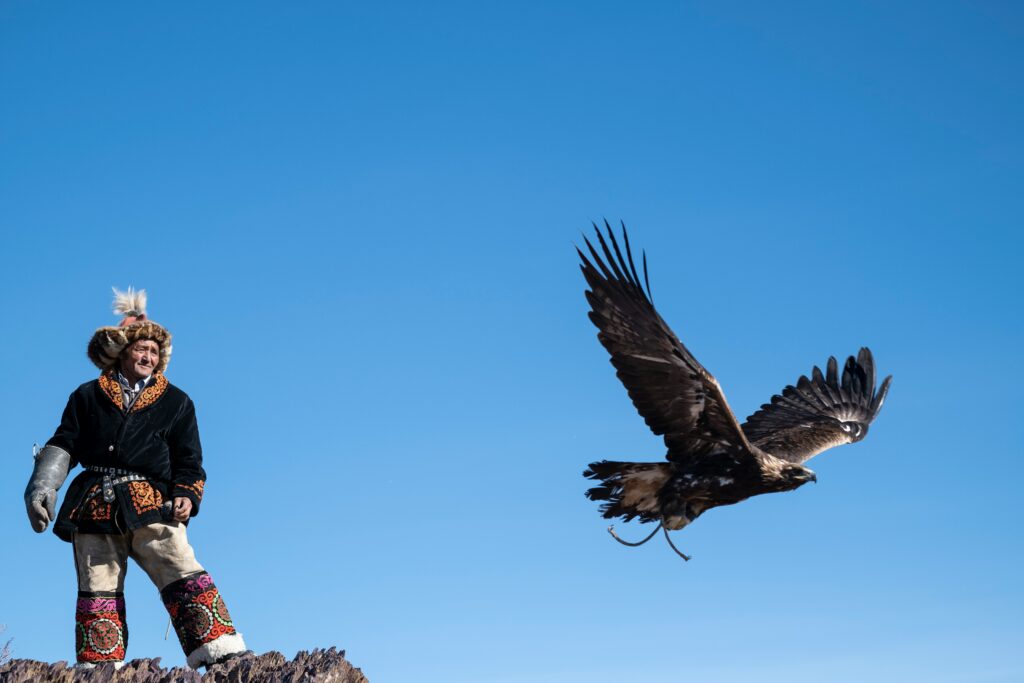
Large birds of prey are a common sight in Mongolia. You will often see eagles or vultures circling high above the steppe. They are fascinating to observe and usually harmless to travellers. Occasionally their presence indicates that an animal has died or is struggling nearby.
I once saw a newborn foal that didn’t survive long after birth being taken by vultures. It was a confronting moment, but also a reminder of how raw and natural life can be in these remote environments.
Marmots and Small Wildlife
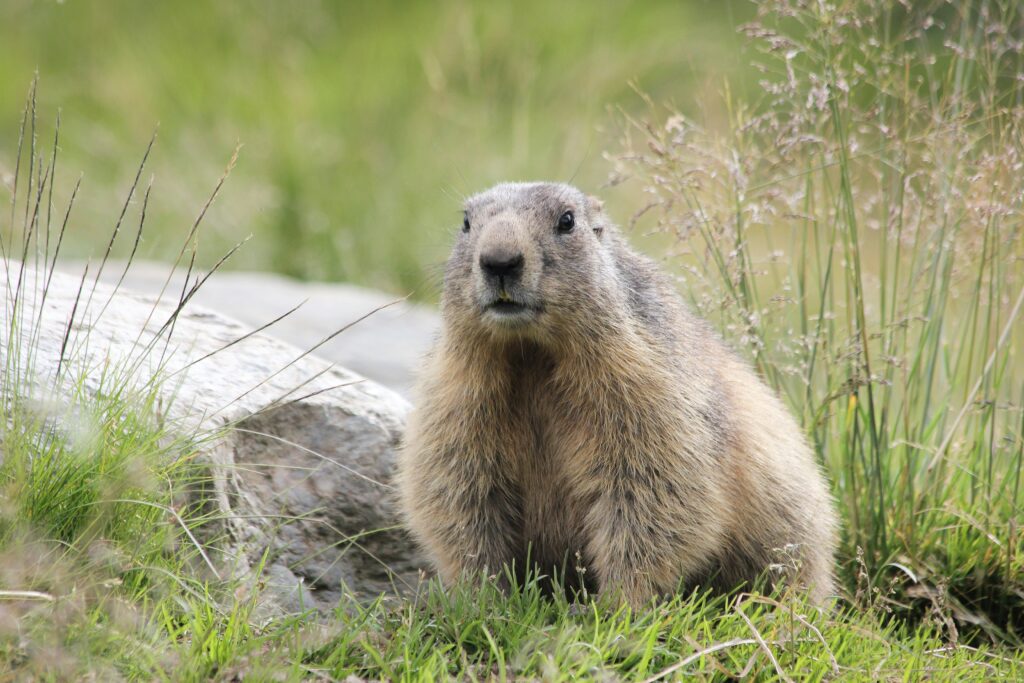
Marmots are common across the Mongolian steppe. You will often see them standing upright near their burrows, carefully watching you pass. If you get too close, they quickly disappear underground.
Marmots are also considered a local delicacy in some regions. At one point I was even invited by a local to go hunting them, which was a really cool experience. It’s worth knowing that marmots can carry diseases such as plague in certain areas, so it’s generally advised to be cautious.
Guard Dogs — The One Animal to Take Seriously
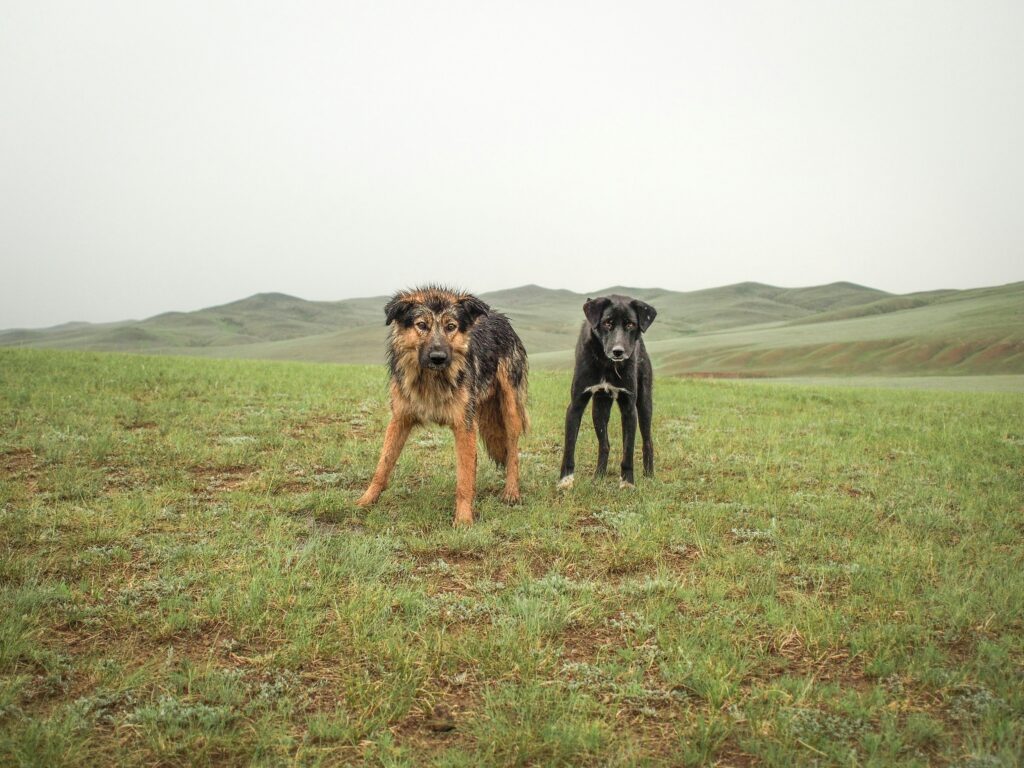
The animals that require the most awareness are the large guard dogs near nomadic families. They protect livestock and territory and can run towards you quite aggressively.
In most cases:
- slowing down
- staying calm
- avoiding sudden reactions
is enough until the owner calls them back.
Ticks, Mosquitoes and Horseflies
In some areas of Mongolia, especially near rivers, forests or wetter grasslands, insects can be quite present. Mosquitoes are common during calm summer evenings. A bit of wind usually helps, but on still nights insect repellent and long sleeves make camping much more comfortable.
Ticks are also something to be aware of when walking through long grass or setting up camp. I made it a habit to check my clothes and body at the end of the day. In Mongolia, ticks can carry diseases such as tick-borne encephalitis and Lyme disease, although the risk varies by region. It’s not something to panic about, but it’s worth being cautious.
Another insect that surprised me was the horsefly. These are large biting flies that are often attracted to livestock, and sometimes to you as well. Their bites can be quite painful and itchy.
Insects were never a major problem for me, but being aware of them and taking simple precautions made the trip more comfortable.
Travelling Through an Animal Landscape
In Mongolia you quickly realise that animals are part of everyday travel. They are not just something you look at, they influence where you ride, where you camp and how you move through the landscape.
For me the best approach was simply to slow down, be patient and give animals space. Most of the time it’s easier to go around them or just wait for them to move.
Want More Practical Travel Advice?
In my full Mongolia motorbike travel guide, I share:
- route experiences
- camping tips
- fuel planning strategies
- packing lessons
- travel mistakes
- and much more
👉 Explore the Mongolia Travel Guide