Good preparation can make the difference between a stressful trip and a great adventure. Whether you’re heading out on a backpacking journey or planning a remote outdoor expedition, a little planning goes a long way.
That said, I’m not a big fan of planning every detail. Some of the best moments while traveling happen when things don’t go according to plan. A good trip sits somewhere in the middle: prepared enough to avoid problems, but flexible enough to stay spontaneous. Here are a few things I usually do before heading out.
1. Choose a Destination
Sometimes the hardest part is deciding where to go.
If you’re not sure yet, try this:
- Open Google Maps and zoom into random parts of the world.
- Look for interesting landscapes, mountains, deserts, islands, rivers.
- Watch a few travel videos or read travel blogs.
- Or simply throw a dart at a map.
A lot of my trips started exactly like that. Just pick somewhere that sparks your interest.
2. Do Some Basic Research
Before booking flights, it’s worth spending an hour researching a few important things:
- Visa requirements
- Entry rules
- Safety considerations
- Best season to travel
- Basic transport options
You don’t need to plan your entire itinerary yet. The goal is simply to avoid obvious surprises.
For example, some countries require visas that take weeks to arrange, and certain regions are difficult to travel in during rainy or winter seasons.
3. Decide What Kind of Trip It Is
Planning looks very different depending on the type of trip.
Backpacking Trips
Backpacking trips usually work best with minimal planning.
A simple approach is enough:
- Book your first accommodation
- Check visa requirements
- Look up a rough route or itinerary
- Pack the basics
After that, let the trip evolve.
Hostels are full of travelers who are coming from different places and heading somewhere new. You’ll constantly hear new recommendations and ideas.
Very often your original plan changes completely after a few days and that’s usually when the real adventure starts.
Outdoor or Adventure Trips
Outdoor trips require a bit more preparation.
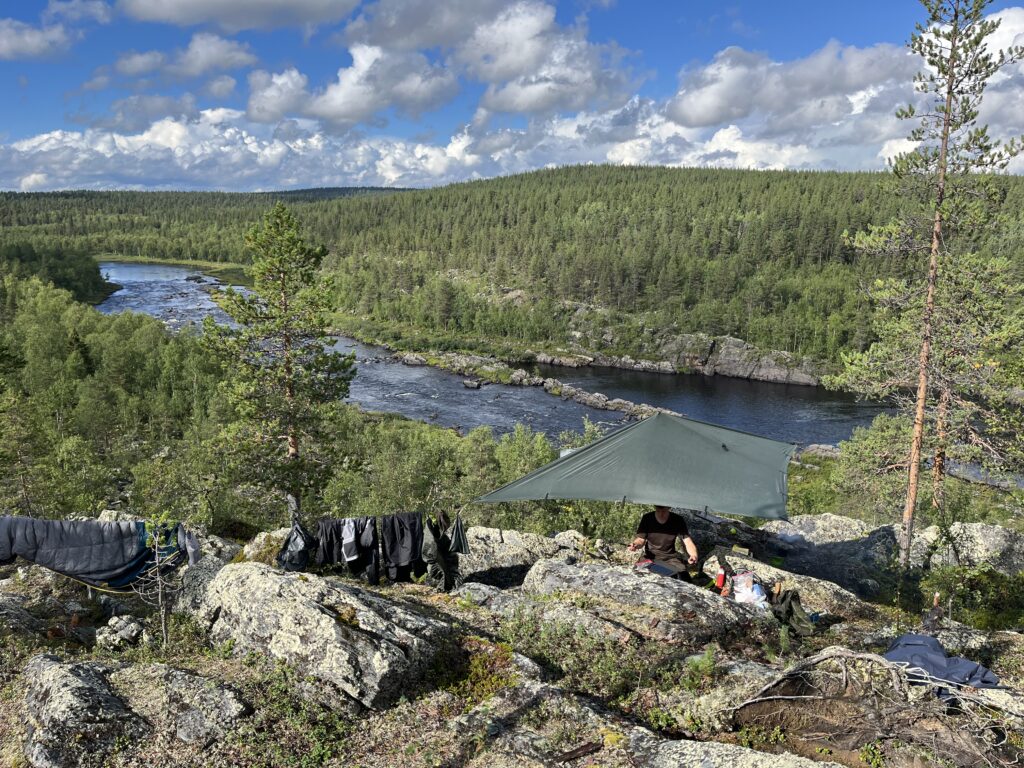
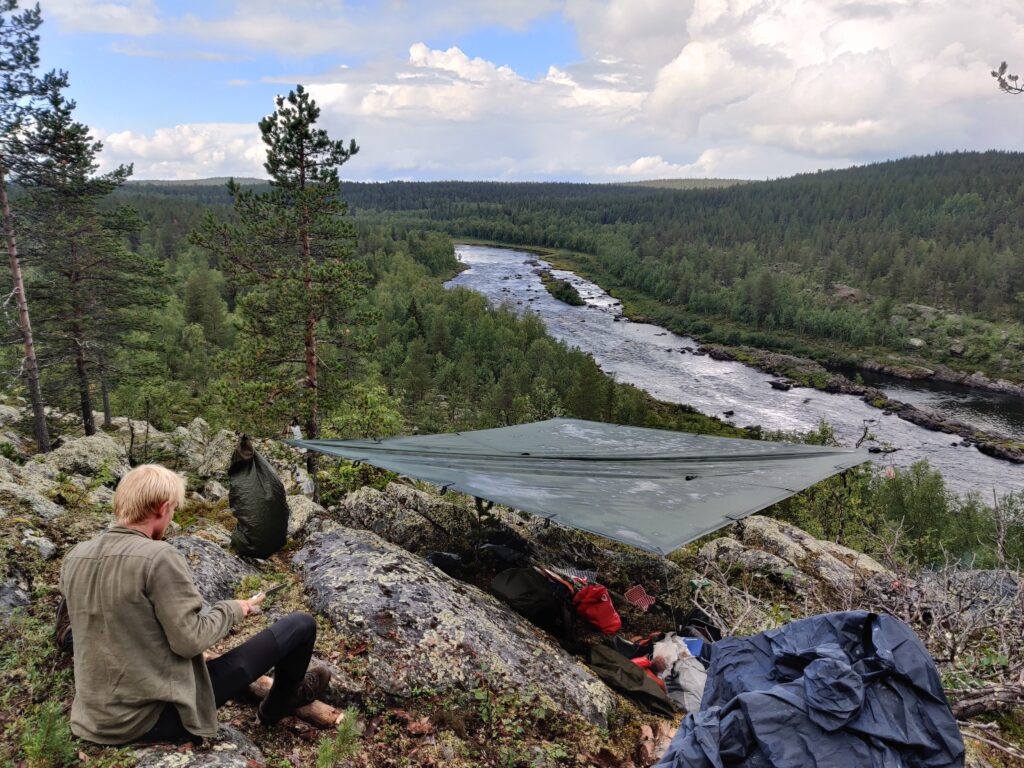
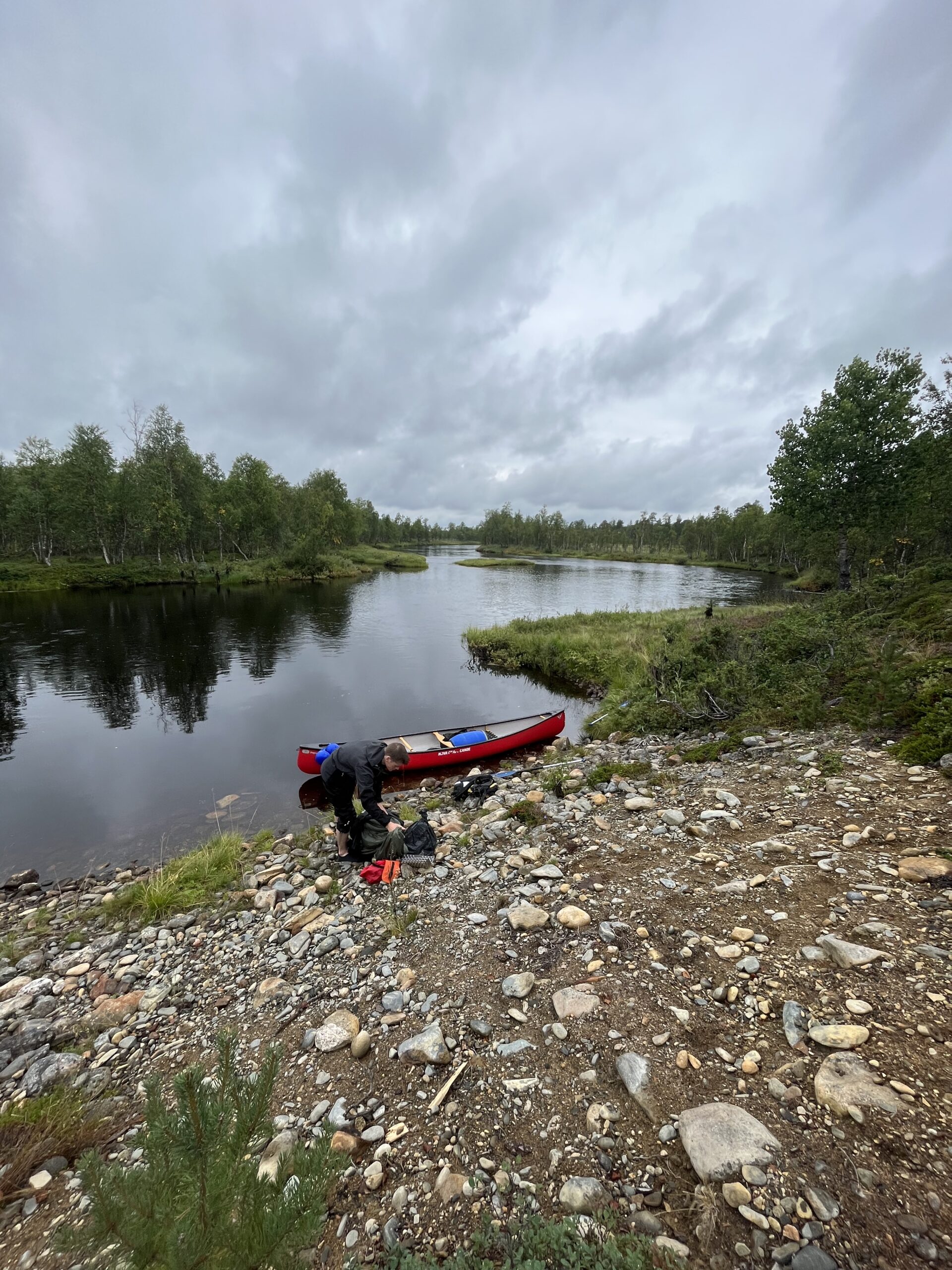
If you’re heading into nature: hiking, skiing, motorbiking, canoeing, or exploring remote areas, planning becomes more important.
Things to check beforehand:
- Weather conditions
- Terrain
- Water availability
- Food resupply options
- Emergency routes
- Fuel stops (for motorbike or car trips)
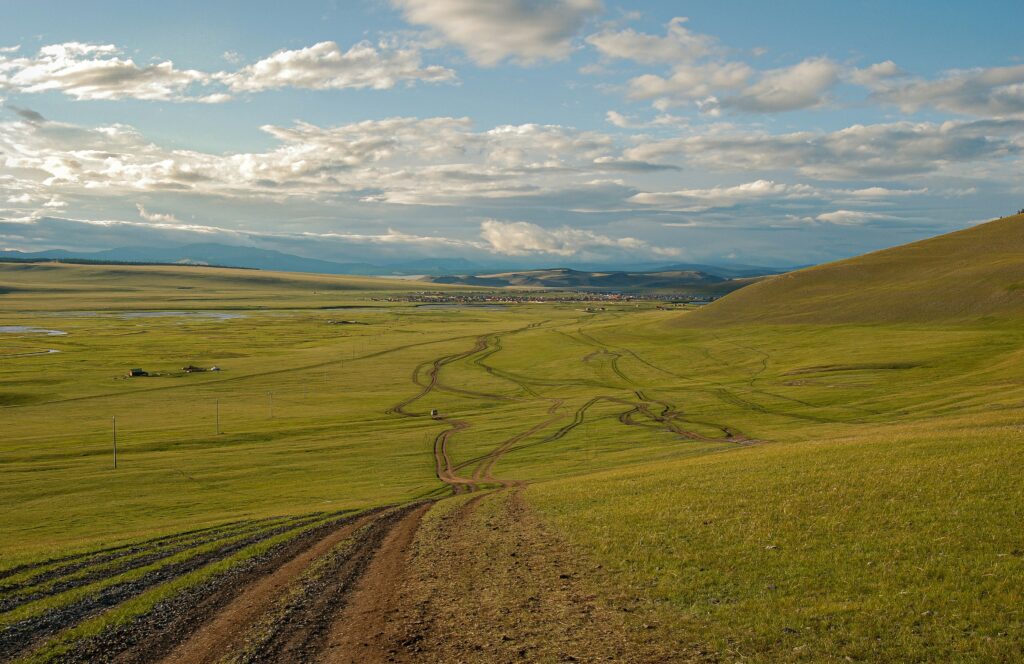
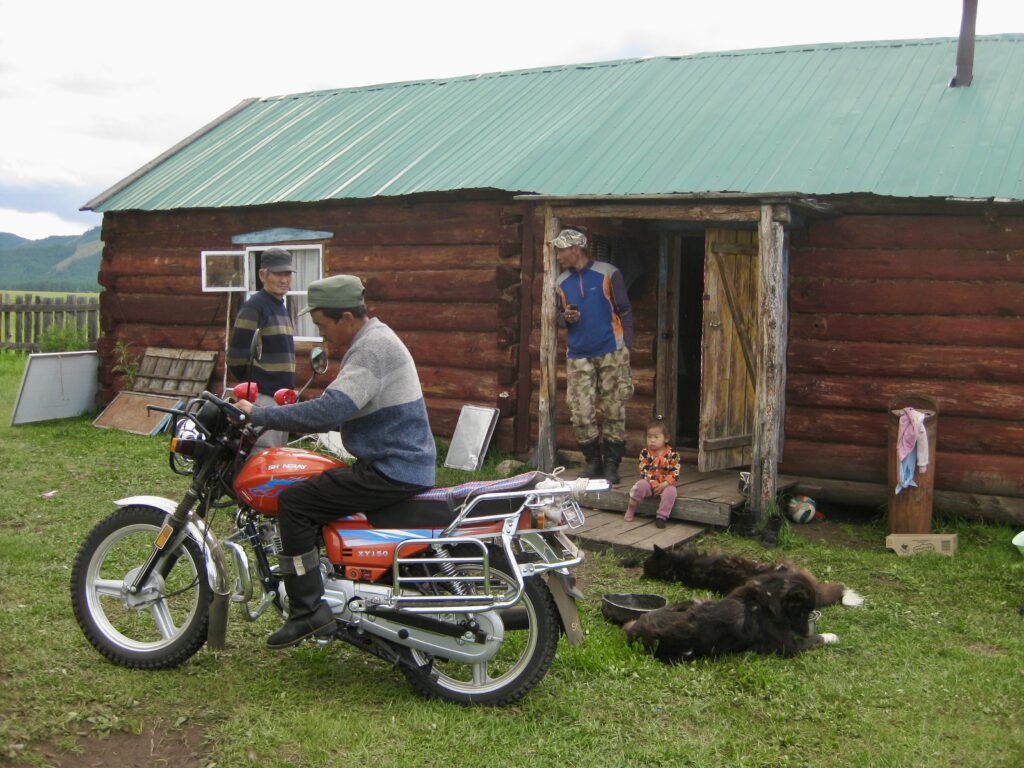
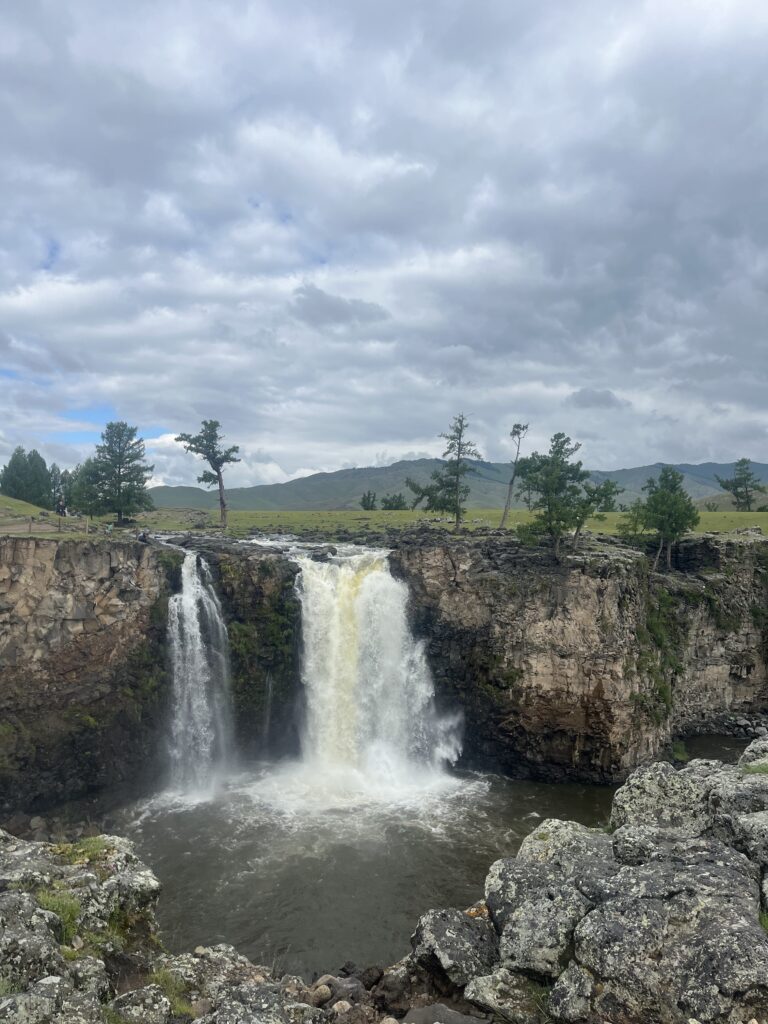
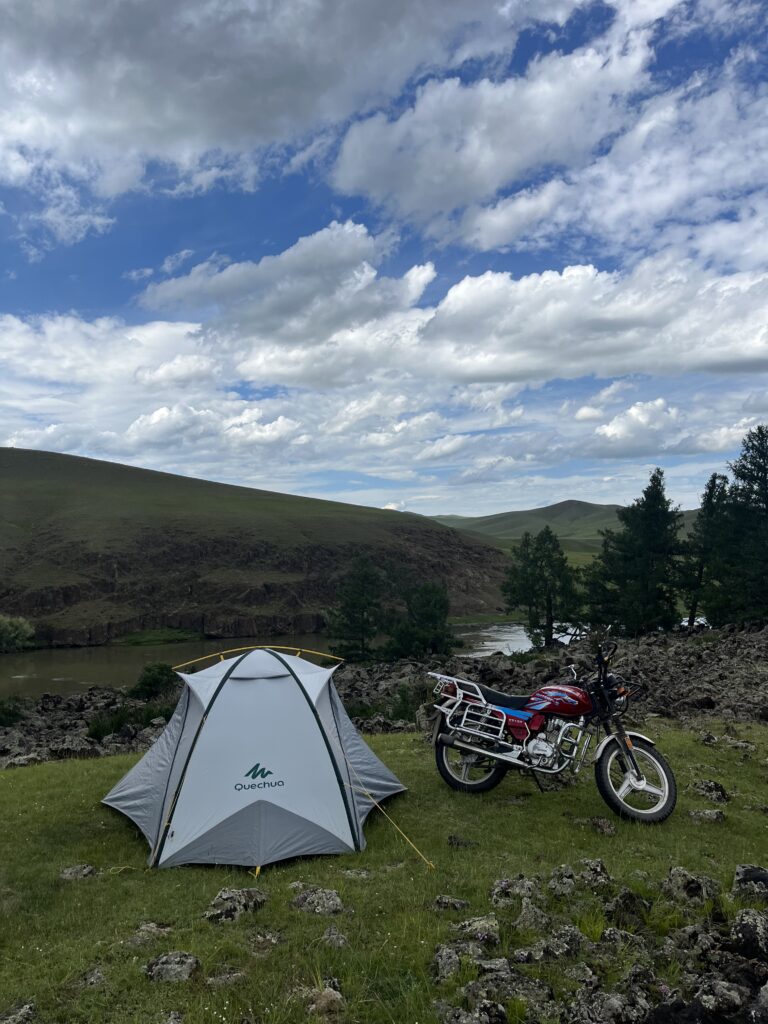
When I rode a small motorbike across Mongolia, accommodation didn’t matter much. But fuel range absolutely did. Running out of petrol in the steppe is a very different problem from missing a hostel booking.
4. Check the Climate and Season
Weather plays a huge role in travel.
Before packing, look up:
- Average temperatures
- Rainy seasons
- Wind conditions
- Snow conditions (for mountain regions)
Weather affects everything:
- what clothes you bring
- how comfortable your trip will be
- and sometimes whether the trip is possible at all
Some places are incredible in one season and miserable in another.
5. Plan a Rough Route
You don’t need a fixed itinerary, but it helps to have a general direction.
For example:
- City → mountains → coast
- South → north
- Loop route through several regions
This makes it easier to estimate travel time and distances without locking yourself into strict plans.
6. Book Your First Night
After a long flight or journey, it’s nice to know where you’re going.
Booking your first night gives you:
- time to recover
- a base to explore from
- a place to plan the next steps
After that you can usually book things along the way.
Many backpackers plan only 2–3 days ahead.
7. Learn a Few Words of the Language
You don’t need to speak the language fluently.
But learning a few basic words goes a long way:
- Hello
- Thank you
- Yes / No
- Water
- Excuse me
- Goodbye
Locals always appreciate the effort. And sometimes just a few words can open doors that would otherwise stay closed.
8. Download Offline Maps & a translator
Internet connection can be unreliable while traveling.
Before leaving, download:
- Offline Maps
- Translation app
- Important locations like accommodation and bus stations
Having offline navigation can save a lot of frustration when you suddenly lose signal. Check out this post for useful travel apps.
9. Tell Someone Your Plan
This is especially important for outdoor trips.
Let someone back home know:
- where you’re going
- your rough route
- when they can expect to hear from you
It only takes a few minutes and can be extremely important in case something goes wrong.
10. Pack the Right Gear
Packing depends entirely on the type of trip.
Backpacking usually focuses on:
- lightweight clothing
- versatile gear
- minimal equipment
Outdoor trips often require:
- technical gear
- navigation tools
- emergency equipment
Packing well can make traveling much easier.
Check out my backpacking list ->
Check out my outdoor backpacking list ->
11. Plan Your Budget
It helps to have a rough idea of your travel budget.
Things to consider:
- accommodation
- food
- transport
- activities
- emergency funds
A good rule is to always keep some backup money available. Also check if you’ll need cash, as some remote areas or smaller towns may not accept cards.
12. Leave Room for Spontaneity
Overplanning can take away a big part of what makes travel exciting.
Some of the best experiences happen when:
- you take the wrong road
- you follow a recommendation from another traveler
- you stay somewhere longer than expected
A plan should guide your trip, not control it.