Riding a motorbike across Mongolia is not a comfortable trip.
It’s muddy, remote, unpredictable and sometimes slightly intimidating. But if you’re looking for real adventure, wide open landscapes, zero fences, nomadic hospitality and proper off-road riding. Then this might be one of the best countries in the world for it.
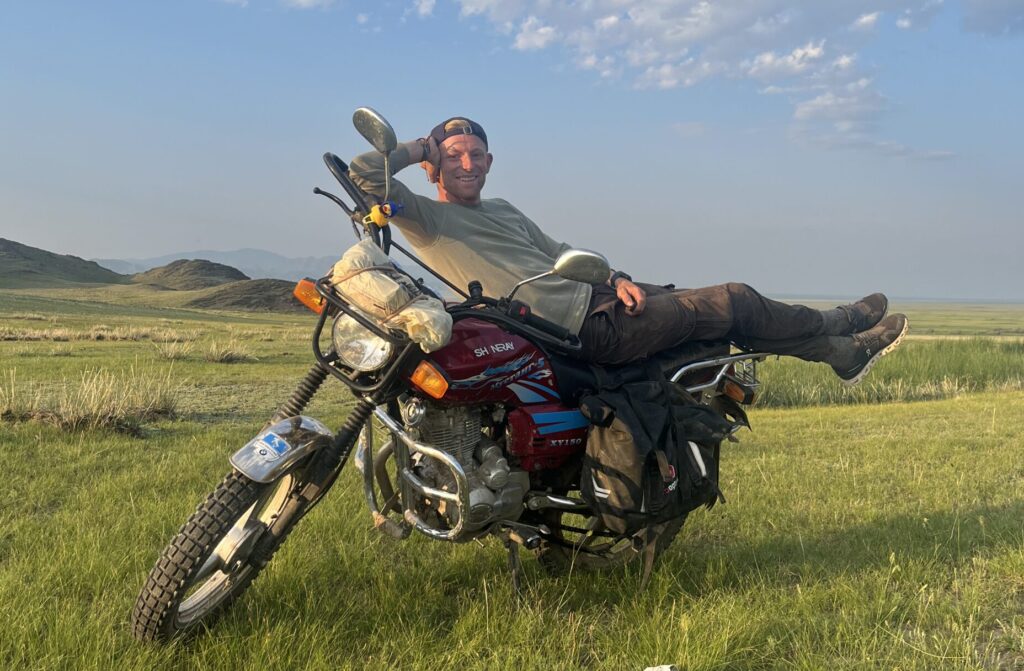
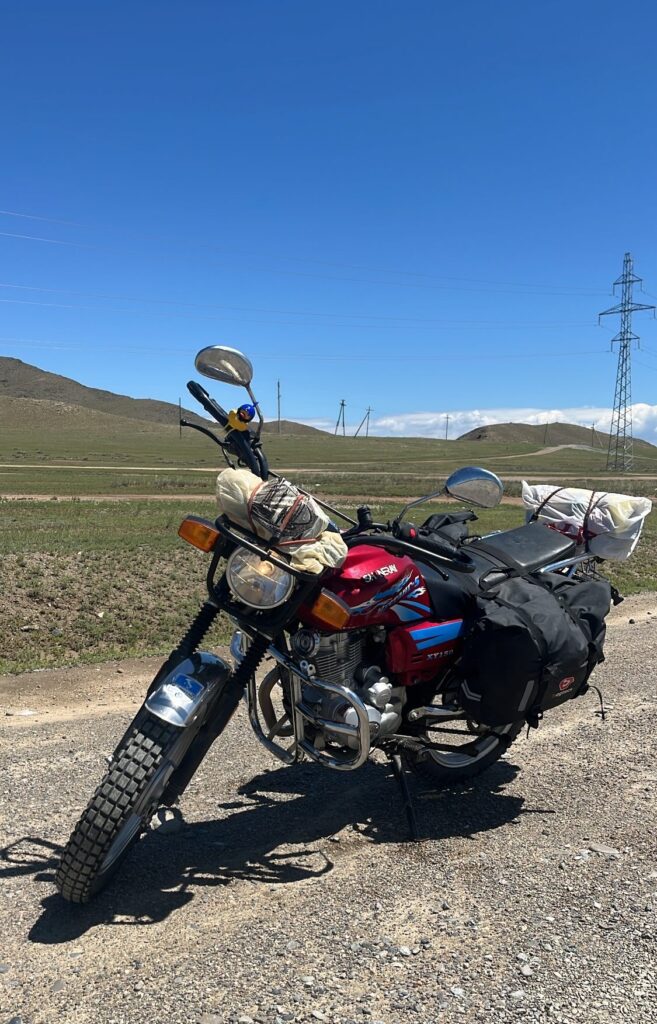
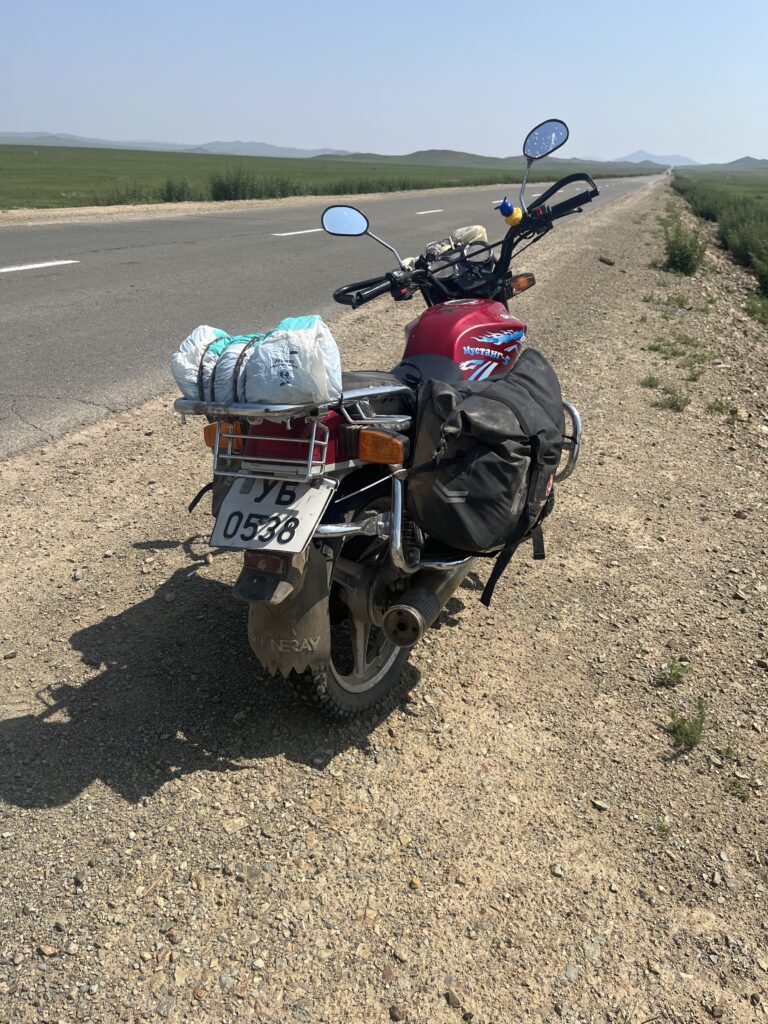
I rode a 150cc Shineray from Ulaanbaatar through central Mongolia and back, covering roughly 1,200 km in 11 days.
Here’s everything you need to know: route ideas, costs, safety, fuel, camping, visa info and a realistic picture of what it’s actually like.
Planning to ride a motorbike across Mongolia?
I turned this trip into a complete step-by-step travel guide including route maps, fuel strategy and packing list.
Why Mongolia Is Perfect for Motorcycle Travel
Mongolia is one of the least densely populated countries on earth. Outside the capital, there are barely any paved roads. Instead, you ride across:
- Endless green steppe
- Mountain valleys
- Sand dunes
- Lava fields
- River crossings
- Mud tracks after rain
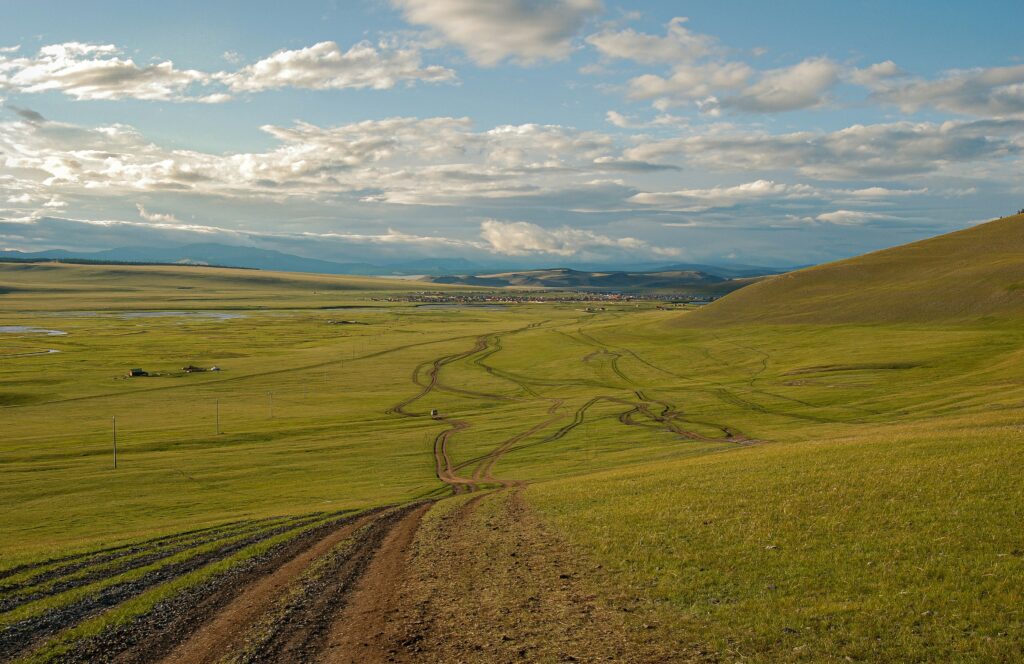
There are often multiple “roads” running parallel across the grass, you simply pick one and go.
-> Is It Possible to Ride a Motorbike Across Mongolia?
Best Time to Ride
June to August is ideal.
- Daytime: around 15–20°C
- Night: can drop to -2°C
- Expect rain, especially in July
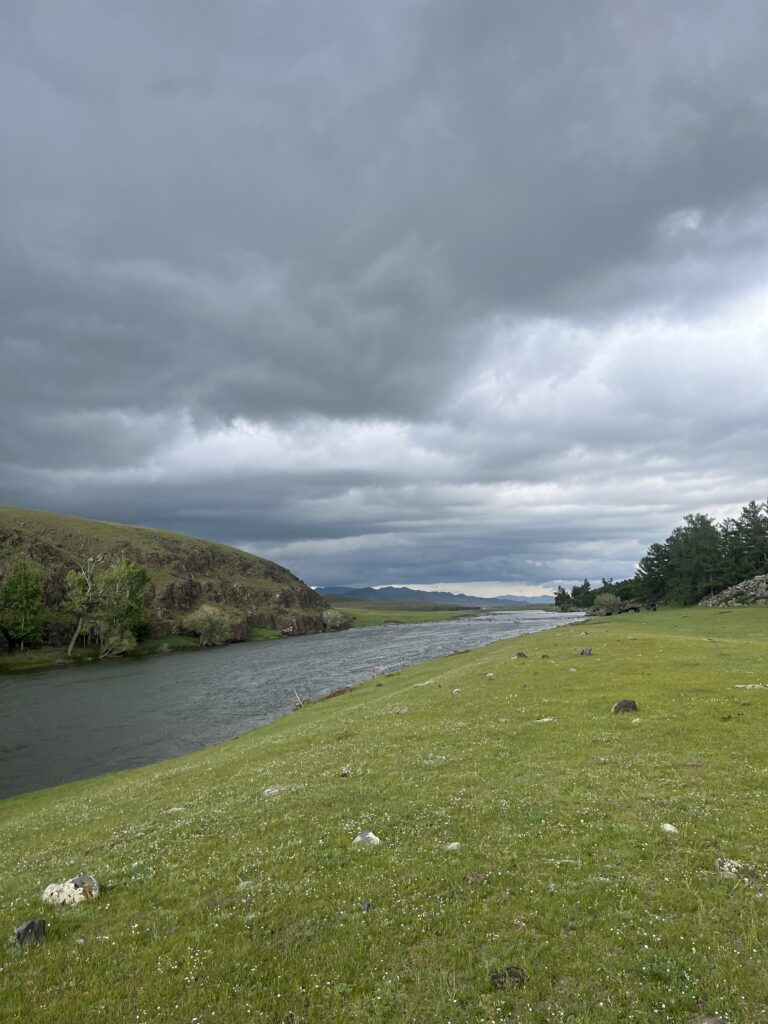
After heavy rain, tracks can turn into rivers. What looks like a simple line on Maps.me might become a mud field overnight.
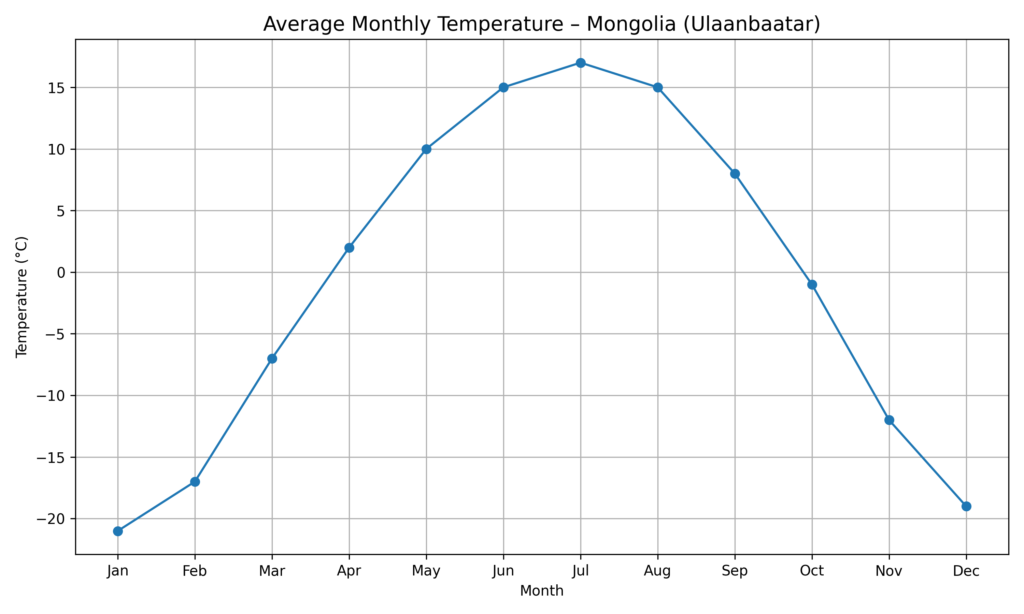
-> Best Time of Year for Motorbike Travel in Mongolia
My 11-Day Motorbike Route in Mongolia
This was not a fixed GPS route. I navigated mainly with Maps.me offline maps and occasional Google Satellite scouting.
Main stops:
- Ulaanbaatar
- Mini Gobi
- Karakorum
- Erdene Zuu Monastery
- Orkhon Valley
- Tsenkher
- Ögii Lake
- Remote monastery ruins (found via satellite)
Total distance: approx. 1,200 km.
-> Navigating Mongolia by Motorbike
Day-by-Day Overview (Practical + Realistic)
Day 1 – Learning Fast
I picked up the bike just outside Ulaanbaatar. Rental was $13 per day, and you can add pannier racks, a tent, and other camping gear if you need it. The bike was basic but solid. A Shineray 150cc that looked like it had seen a few adventures already.
Within twenty minutes of leaving the city, I hit my first obstacle. Heavy rain had turned the road into a river. Three local riders came through and crossed it with some effort, engines revving, water splashing high around the wheels. It didn’t look smooth, but it looked possible, so I followed.
I stalled halfway through and thought for a second that the trip might end before it even began. Somehow the engine started again and I made it across, slightly shaken but still upright.
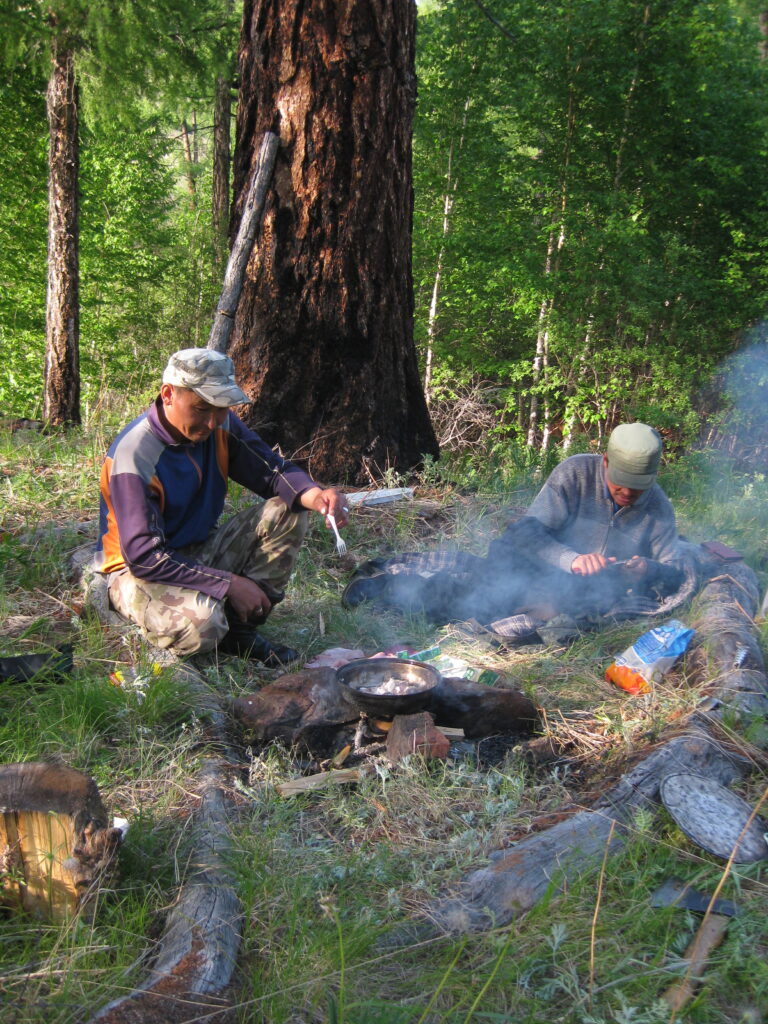
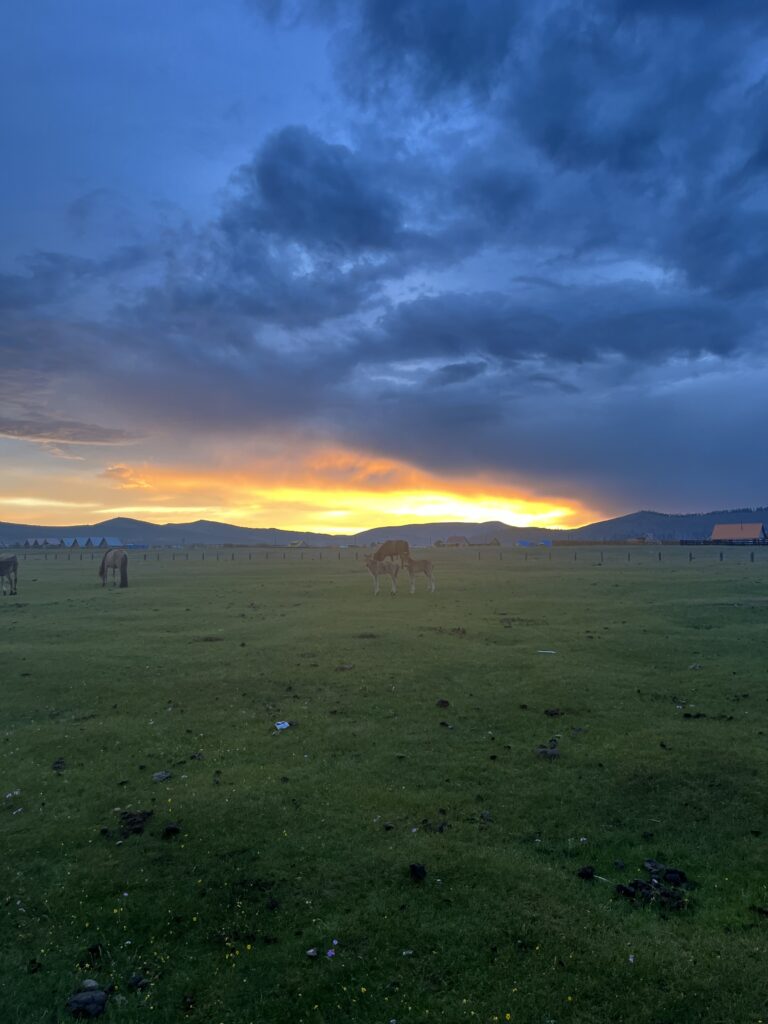
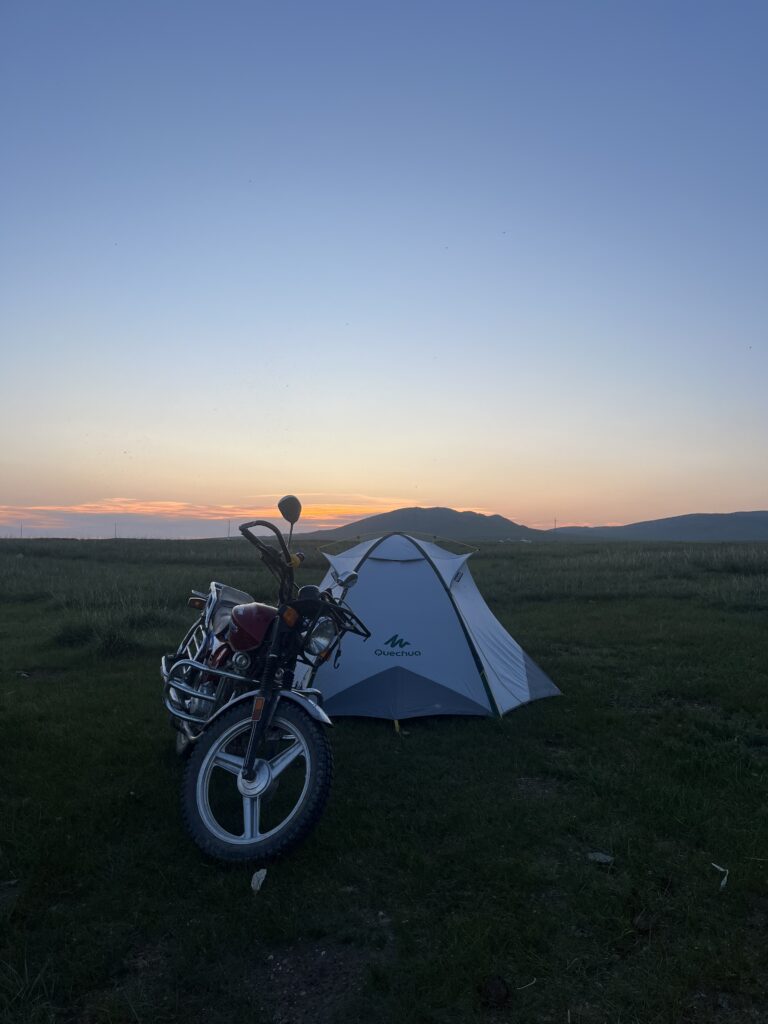
That night I camped in a small valley away from the main track. I quickly realised I hadn’t brought enough water. First lesson learned: always carry more than you think you’ll need.
Day 2–3 – Steppe Riding & Water Management
The next two days were about getting used to the rhythm of the steppe. Villages can easily be 70 km apart, and 70 km off-road takes much longer than it sounds. The bike could manage around 230 km on a full tank, which meant fuel planning became part of the daily routine.
Fuel stations exist in most small towns, but not always where you expect them. I made it a habit to top up whenever I could. If you’re heading into more remote areas, carrying extra fuel is a smart move.
Water was another consideration. After rain, rivers often turn into brown mud streams. Filters don’t work well when the water is full of sediment, so I started carrying extra whenever possible.
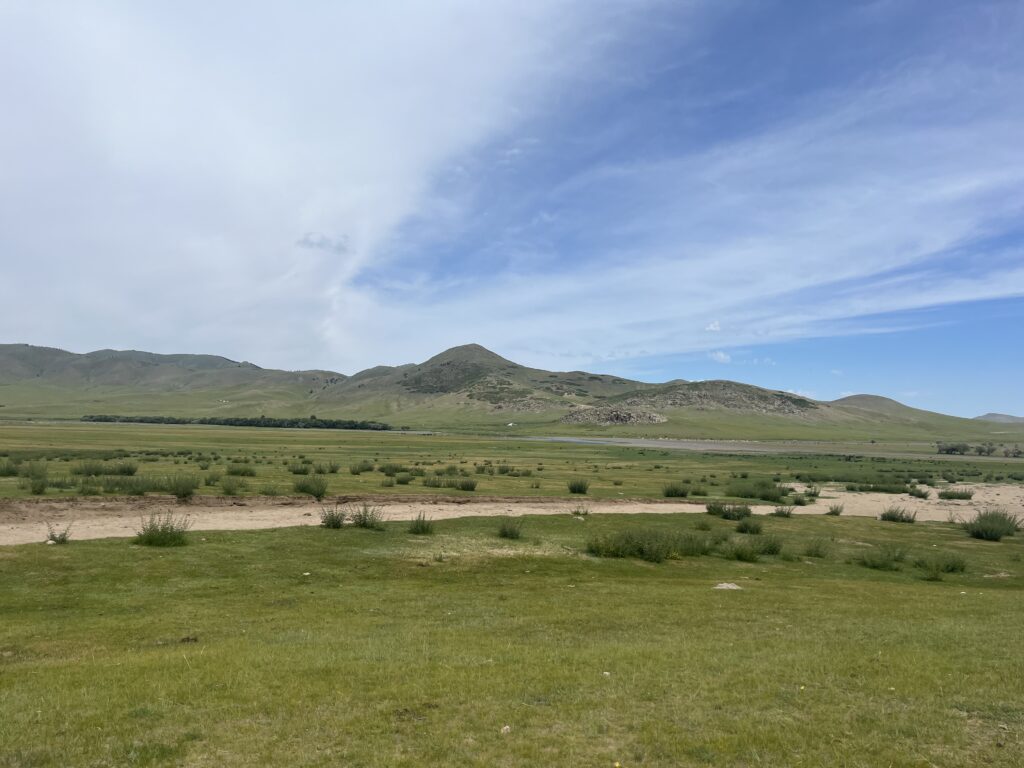
The riding itself was incredible. Endless grasslands, occasional herders in the distance, and wide open tracks where you could choose your own line.
Day 4 – Mini Gobi
By Day 4 I reached the sand dunes of the Mini Gobi. The landscape shifted from green to gold, and the openness felt even bigger.
I camped under a completely clear sky. At night, Mongolia becomes extremely quiet. No distant traffic and no background noise.
The temperature dropped below zero. During the day it had felt mild, close to 20°C, but at night the cold reminded me that this country can change quickly. Proper gear is important.
Day 5 – Karakorum
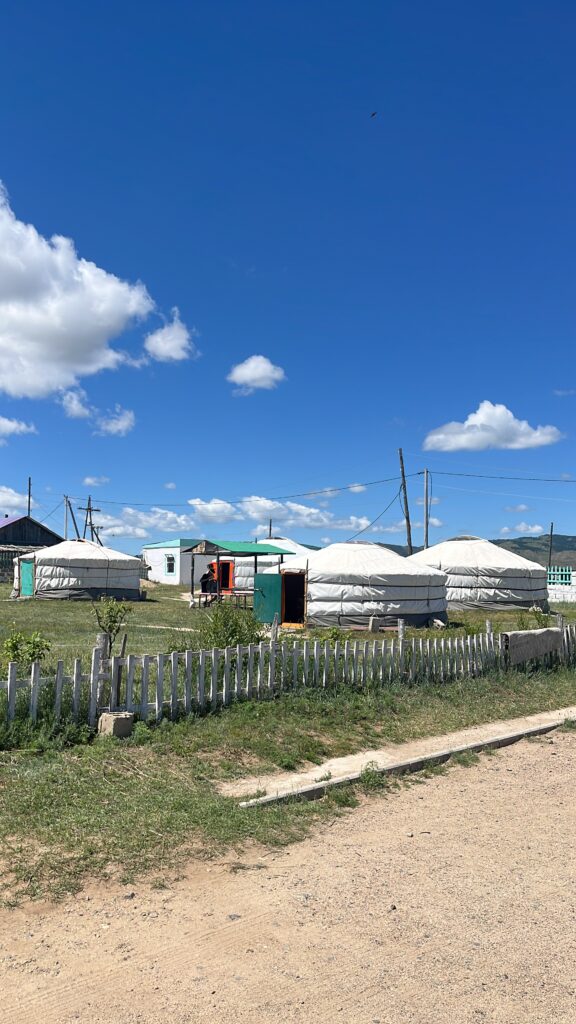
I stopped in Karakorum for a reset. Once the capital of the Mongol Empire, it’s now a small town but an important historical stop.
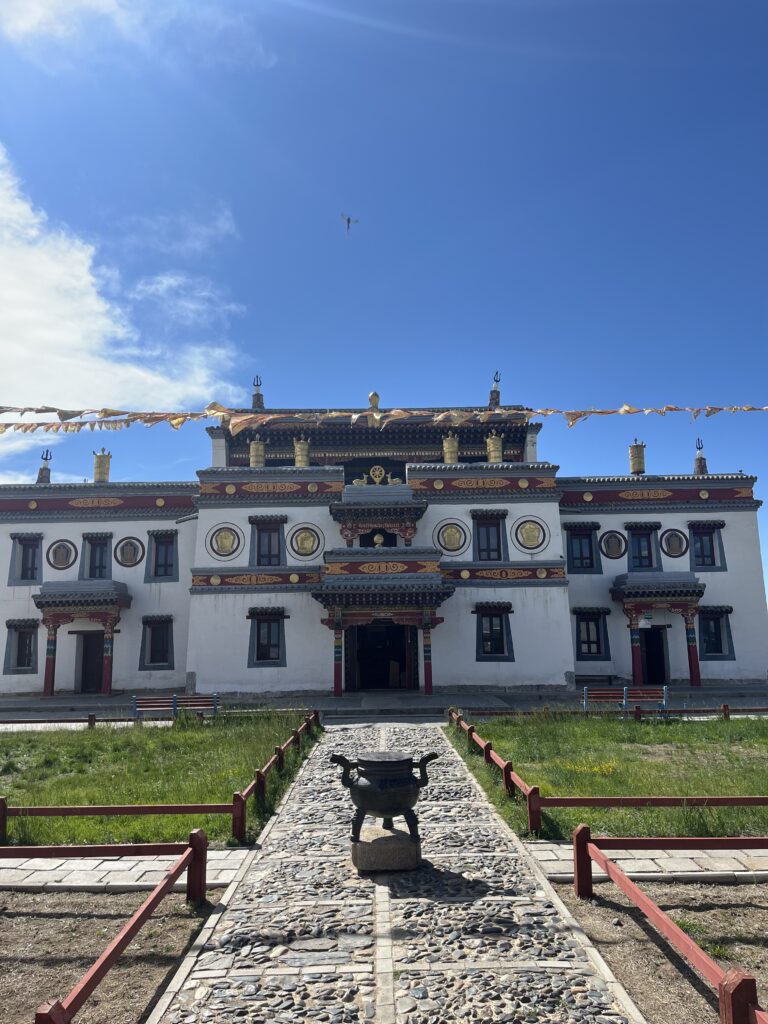
I visited Erdene Zuu Monastery, one of the oldest surviving Buddhist monasteries in Mongolia. It’s an easy visit and worth it if you’re passing through.
I stayed in a hostel, had a proper shower, washed some clothes, and restocked supplies. A local mechanic helped me fix a mirror that had shaken loose.
After several days off-road, a simple bed felt like luxury.
Day 6–7 – Orkhon Valley
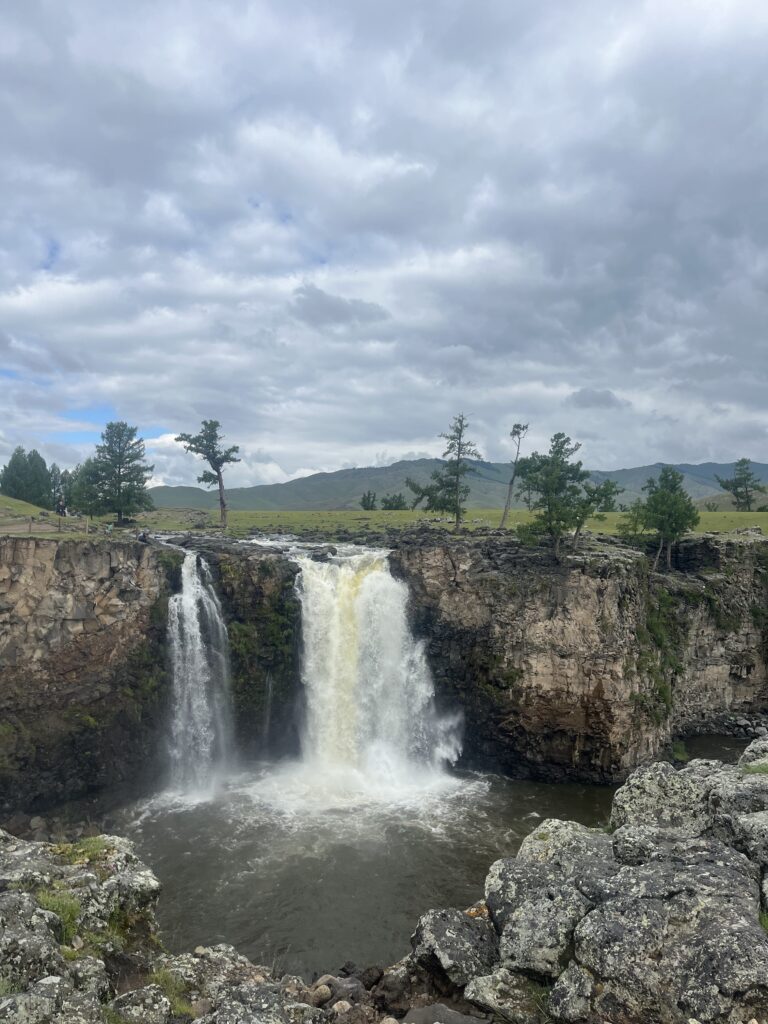
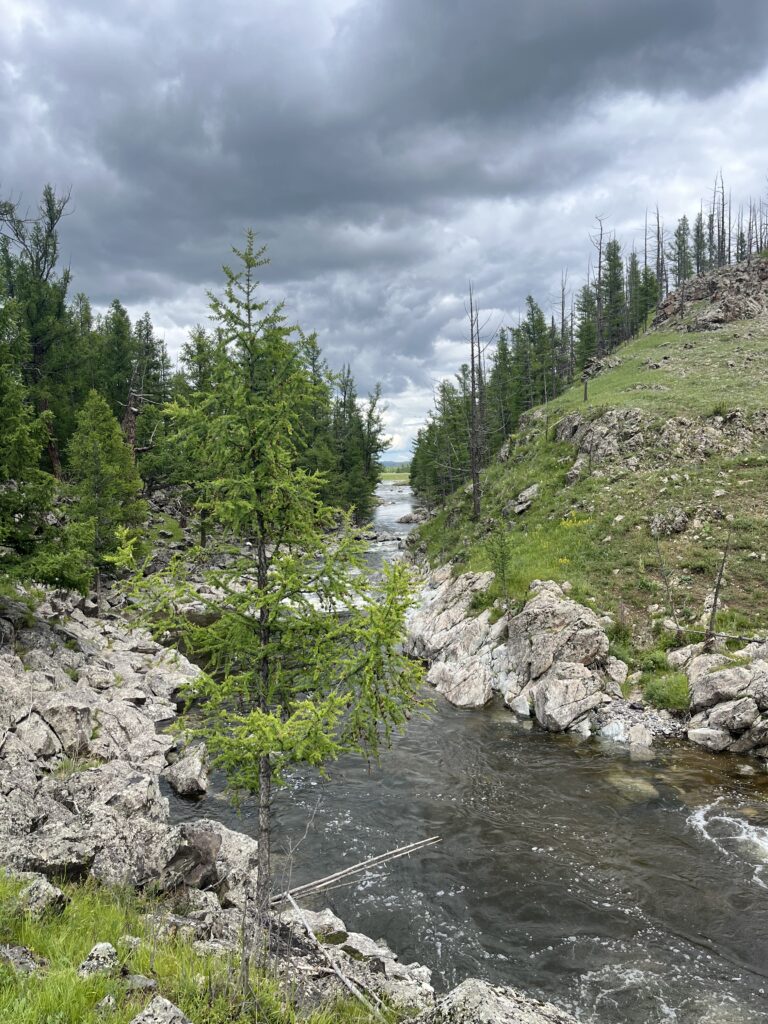
The Orkhon Valley was one of the highlights of the trip. Rolling green hills, grazing yaks, rivers cutting through wide valleys.
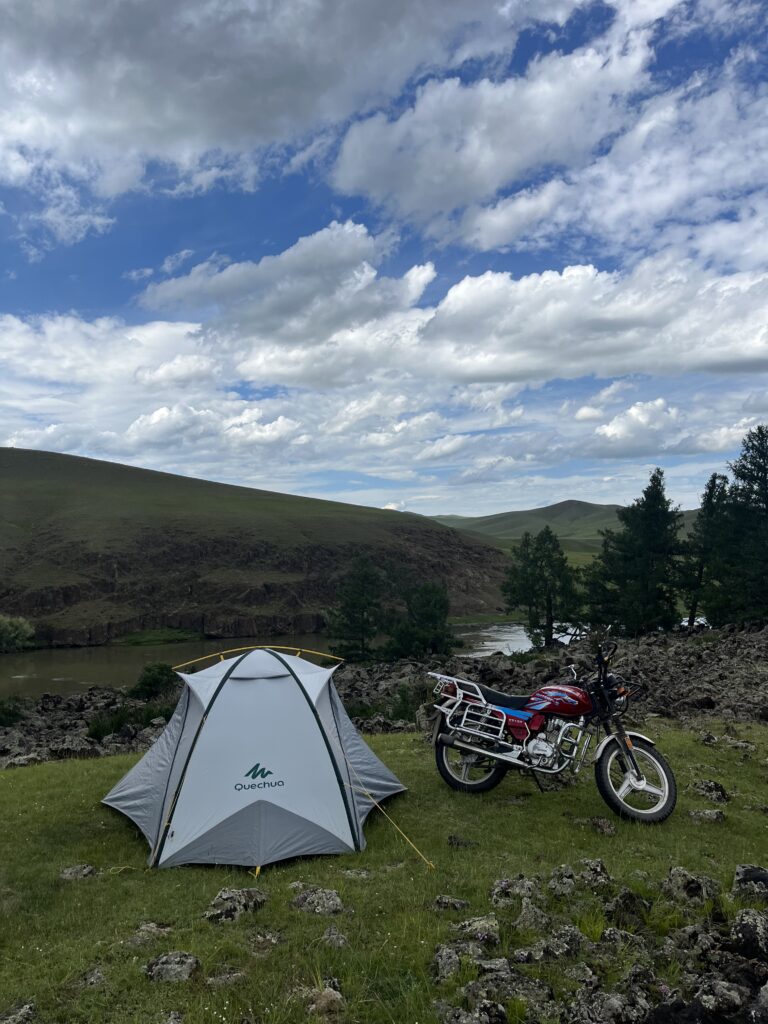
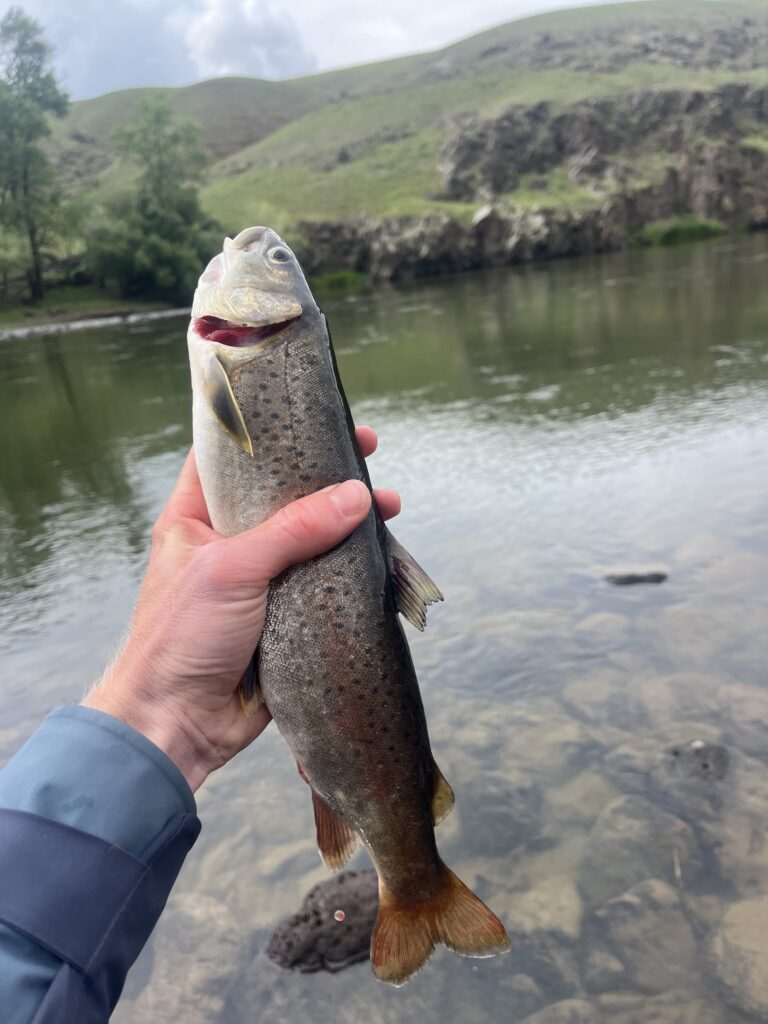
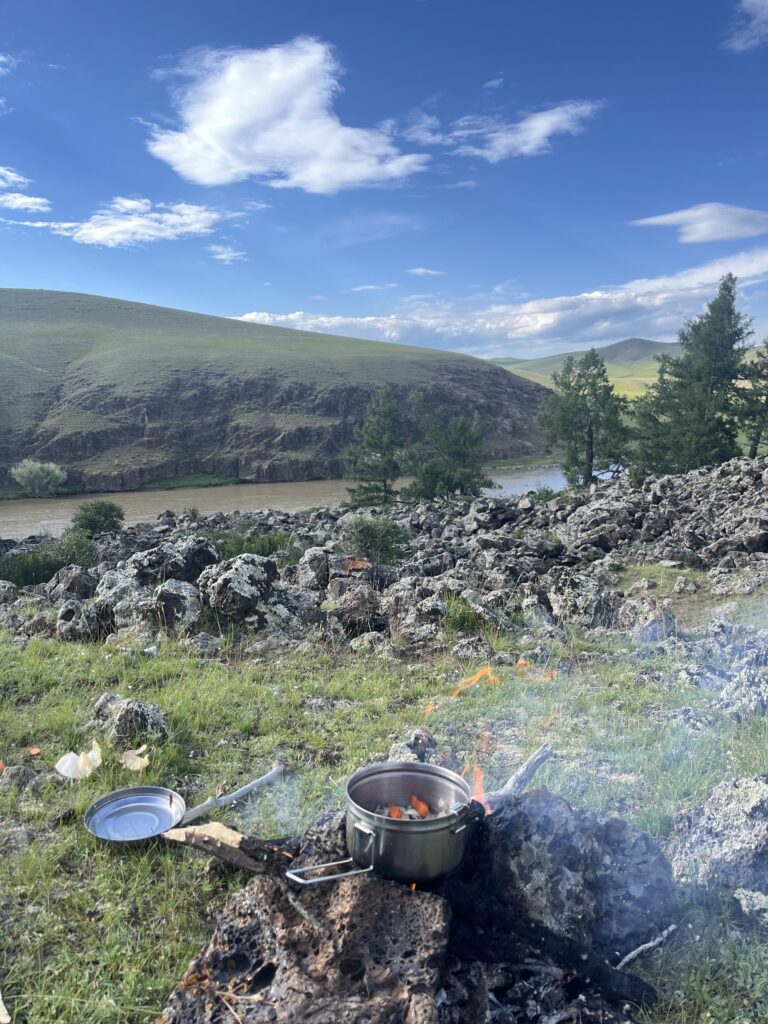
I camped next to the river for two nights and tried fishing with a simple hand line. I managed to catch a few trout. One disappeared mid-air snatched by a golden eagle.
I tried riding deeper toward volcanic terrain and crater lakes, but heavy rain had turned the tracks into thick mud. I crashed twice, and at one point the full bike fell on top of me. Nothing serious, just a clear sign that pushing further wasn’t the smart move.
Turning back felt like the right decision. I waited for the rain to stop inside my tent.
Day 8 – Tsenkher & Nomad Hospitality
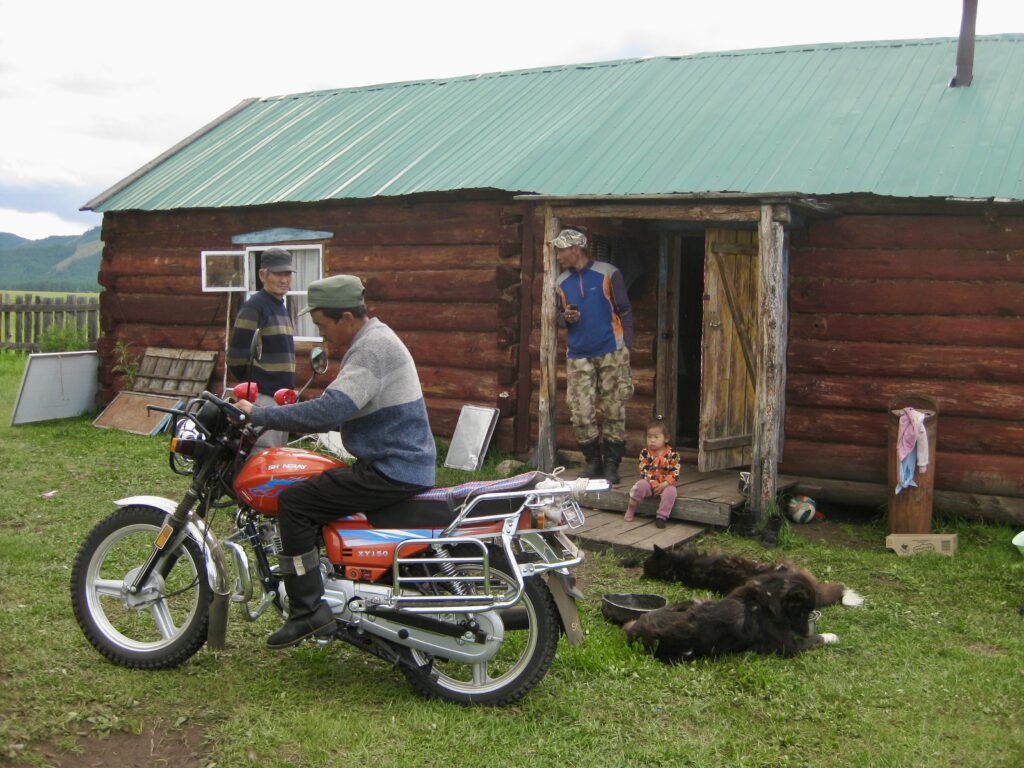
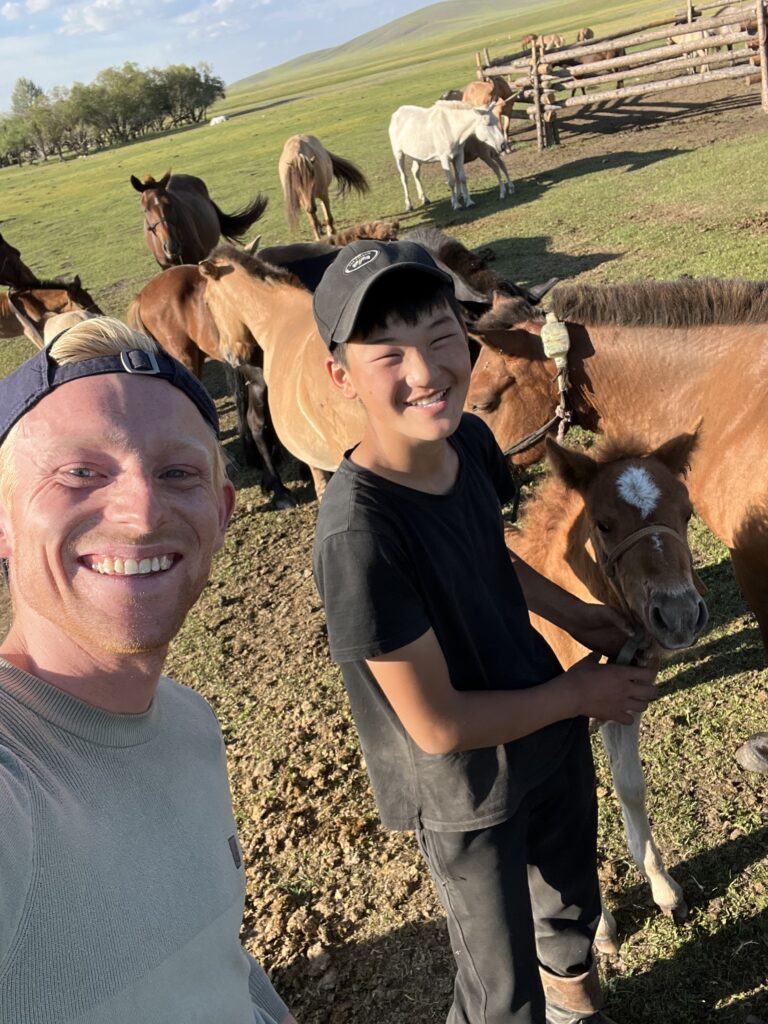
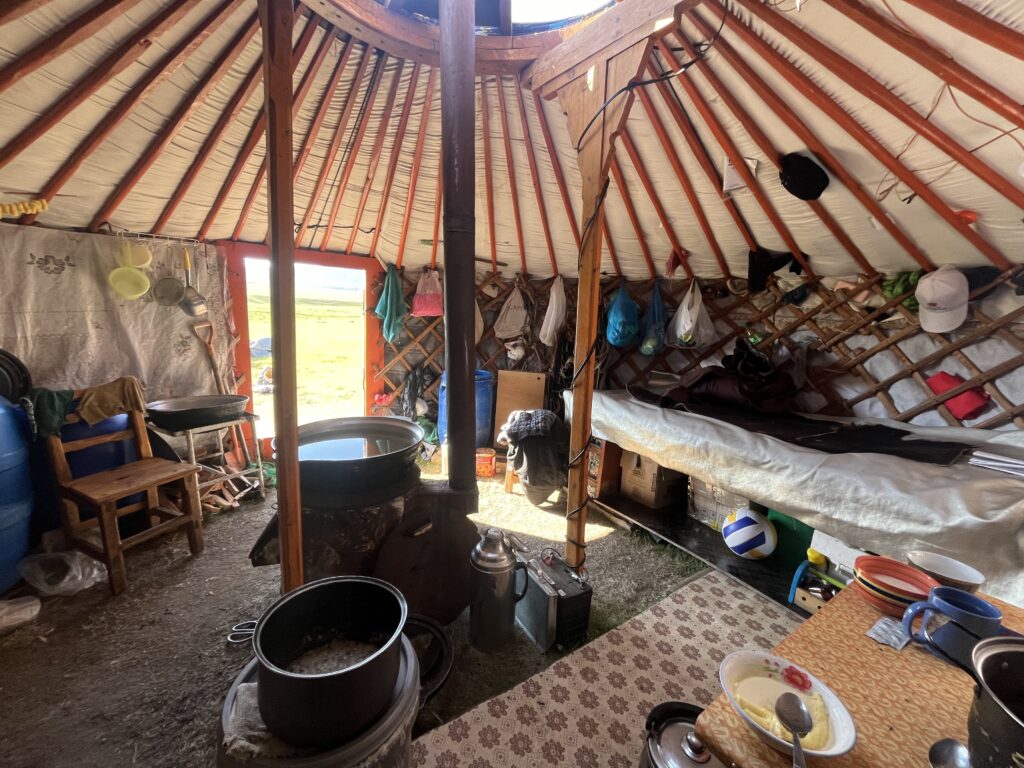
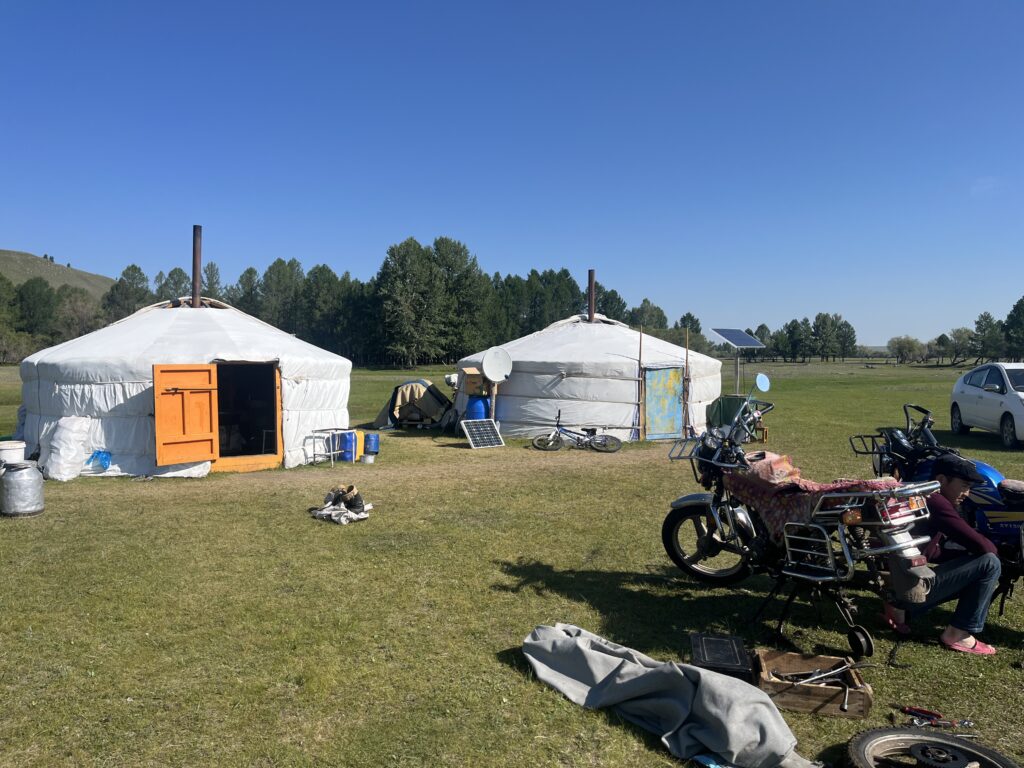
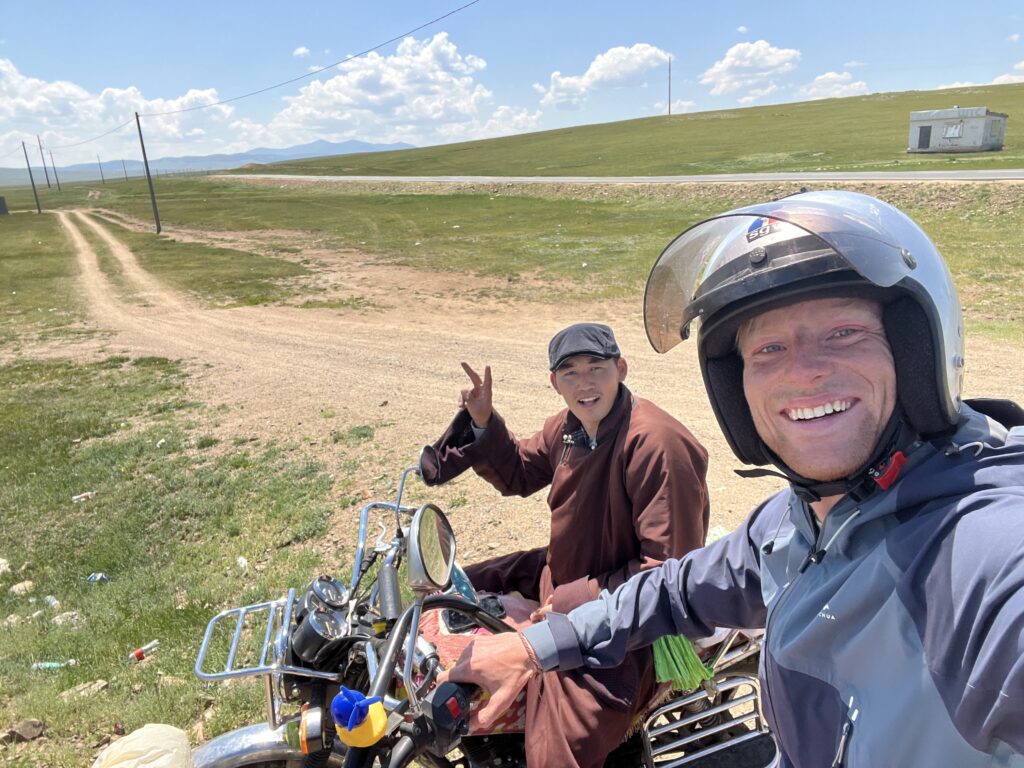
Near Tsenkher Hot Springs, two boys on horseback approached me while I was setting up camp. They asked if I liked horse milk. I said yes, and that simple answer turned into a two-day stay with their family.
I helped milk horses, watched them handle livestock with impressive ease, and drank fermented airag from a large container that seemed to be constantly refilled. It’s slightly sour, lightly fizzy, and stronger than you expect.
They also shared homemade goat vodka. Even without a shared language, conversation wasn’t difficult. Gestures, laughter, and shared work did most of the talking.
Moments like this are what make traveling in Mongolia different from other trips.
Day 9 – Ögii Lake
I rode north toward Ögii Lake and camped by the water. It was calm, open, and peaceful. After days of riding through remote valleys and mud tracks, the flat landscape around the lake felt easy.
Day 10 – Monastery Ruins
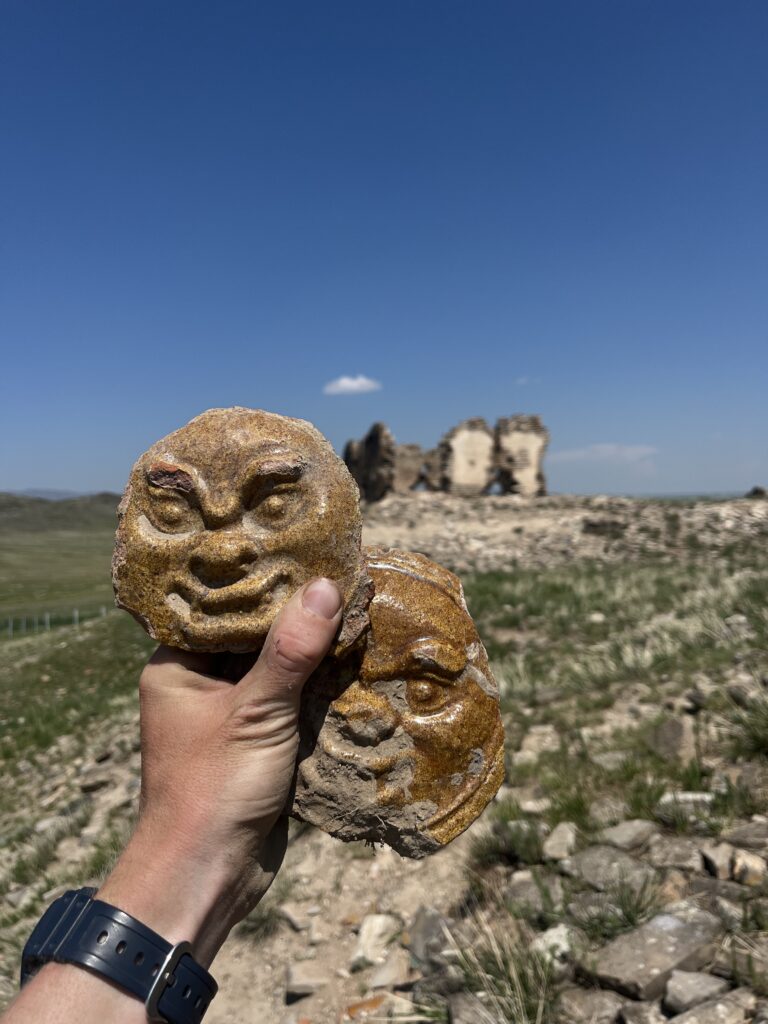
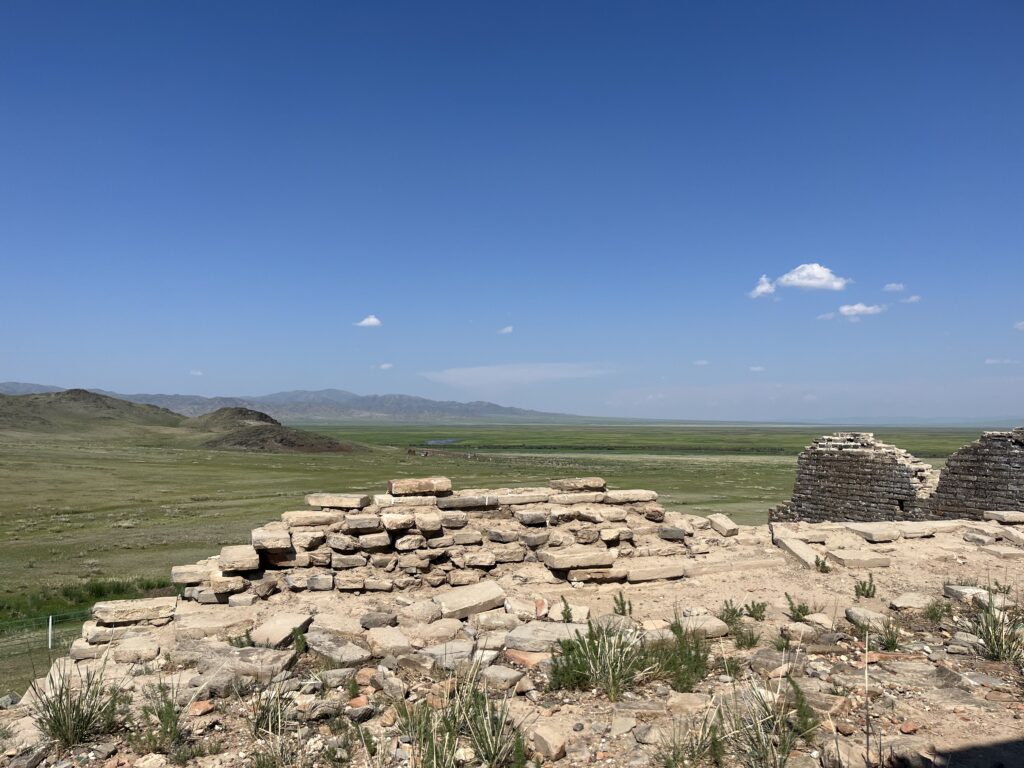
Using satellite maps earlier in the trip, I had marked what looked like the ruins of an old monastery. It required a small detour, but it was worth it.
I camped inside the remaining stone walls. In the afternoon, a young boy, maybe six years old arrived on a motorbike to see what I was doing there. Later he returned with his father and grandfather. We shared some rice and bread that I had left, and I gifted them my solar panel.
Camping near locals can actually feel safer than being completely hidden.
Day 11 – Flat Tire & Perspective
On the final stretch back toward Ulaanbaatar, riding on the main highway, I felt the rear tire start to wobble. It was flat.
I pulled over in the middle of nowhere. Instead of feeling stressed, I found it strangely funny. After everything else, a flat tire felt almost expected.
I managed to remove the tire using my axe as leverage, but I couldn’t get the outer tire back onto the rim. After struggling for quite a while, a passing Mongolian driver stopped. He jumped on the tire a few times with full force and it popped back into place as if it had never been a problem.
I gave him my axe as a thank you.
The last night I camped just outside the city. The next morning I returned the bike and rode back into Ulaanbaatar feeling tired, dusty, and completely satisfied.
What to pack?
This is not a beginner road trip.
Strongly Recommended:
- International motorcycle license
- Proper riding boots
- Full-face helmet
- Gloves
- Rain gear
- Basic tool kit
- Spare inner tube
- Extra fuel
- Extra water
- First aid kit
- Bike lock
- Satellite phone (highly recommended in remote areas)
- Check out this guide for a full packing list for an outdoor adventure like this.
- Check out this guide for useful travel apps.
-> Packing List for a Mongolia Motorbike Expedition
What to eat?
Stock up in Ulaanbaatar, it’s cheaper.
My diet:
- Oats with powdered milk for breakfast
- Canned food
- Rice & bread
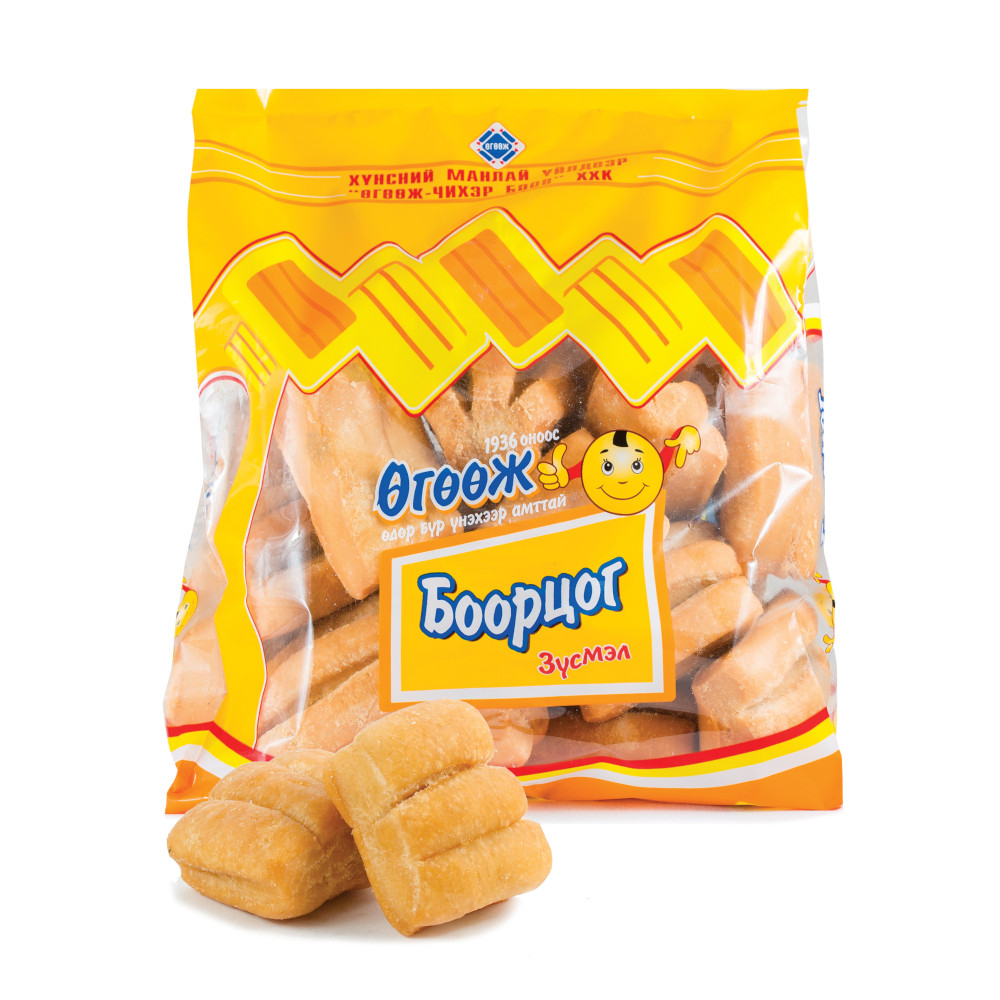
- Those Mongolian sugar biscuits (boortsog) sold in plastic bags, perfect travel snack
- Occasional village restaurants
Always carry backup food and water when camping.
Where to Rent a Motorcycle
There are several rental companies in Ulaanbaatar offering 150cc–250cc bikes with pannier racks. You can find most of them on Google Maps.
Make sure:
- The bike is in good condition
- You get basic tools
- Spare tube is included
- You test brakes and chain
-> Motorbike Choice for Mongolia
Where to Sleep
- Guesthouses in most towns
- Wild camping is generally fine
- Camp near a ger if you want extra security
- Park your bike next to you
- Use a lock
I had no theft issues, but heard stories.
People are kind. Just be smart.
Visa Situation
Visa rules change often.
Many nationalities receive 30 days visa-free entry. If you want to stay longer, you must visit the Immigration Office in Ulaanbaatar and apply for an extension.
There is usually a fee per extra day. Always check official sources before travel.
Phone Connection
Signal is weak outside towns.
Download offline maps (Maps.me works well). An eSIM can provide occasional coverage in villages, but expect large areas without signal. If you decide to get an eSIM check out this post. I personally always use this eSIM in Mongolia as well.
Do not rely on internet navigation.
Cost Breakdown (Approximate)
- Bike rental: $13/day
- Fuel: relatively cheap
- Food: inexpensive outside capital
- Hostel: affordable
- Total 11-day estimate: very budget-friendly compared to most adventure destinations
Mongolia is one of the cheapest places in the world for true off-road motorcycle travel.
-> Budget for a Mongolia Motorbike Trip
Wildlife
Expect:
- Golden eagles
- Yaks
- Wild horses
- Endless sheep and goats
- You might be lucky enough to spot a wolf in the distance, but they are far more wary of humans than you need to be of them.
Wildlife generally avoids humans. The biggest hazard is livestock crossing suddenly.
-> Animals You’ll Encounter While Travelling in Mongolia
Mongolian Words to Know
- Hello – Sain baina uu (Сайн байна уу)
- Thank you – Bayarlalaa (Баярлалаа)
- Yes – Tiim (Тийм)
- No – Ügüi (Үгүй)
- Water – Us (Ус)
- It’s okay / No problem – Zügeer, zügeer (Зүгээр, зүгээр)
- Goodbye – Bayartai (Баяртай)
- Excuse me / Sorry – Uuchlaarai (Уучлаарай)
- Cheers (when drinking) – Tölöö! (Төлөө!)
You don’t need much more than this. Even attempting a few words goes a long way. People really appreciate the effort.
-> Mongolian Customs and Useful Words
Is Mongolia Safe for Motorcycle Travel?
Generally yes, but remote.
The main risks are:
- Weather
- Mud after rain
- Mechanical breakdowns
- Lack of signal
One night I woke up to the sound of a car pulling up near my tent. I was camped in the middle of nowhere, no villages nearby, no main road so it didn’t really make sense for a vehicle to be there at that time.
The car stopped for a half an hour with the engine running and then drove off again. Nothing happened. But things like this can still be scary.
Mongolia is generally very safe and people are incredibly friendly, but I had heard a few stories about motorbikes being stolen at night in remote areas. Because of that, I always parked my bike right next to my tent and kept my axe inside, mostly for chopping wood, partly for reassurance.
If you’re unsure about a campsite, it can actually be safer to camp near a ger and ask permission. Nomadic families are welcoming, and having people nearby often feels more secure than being completely hidden.
Mongolia is not dangerous, but it is remote so camp smart and use common sense.
Final Thoughts
Mongolia doesn’t offer luxury, it offers a sense of freedom. You don’t need a perfect plan. You need preparation, patience, and respect for the land.
If you’re looking for a true motorbike adventure, Mongolia delivers!
Planning Your Own Motorbike Trip Across Mongolia?
If you’re thinking about riding across Mongolia yourself, I created a detailed travel guide based on my 1,200 km motorbike journey across the steppe.
Inside the guide:
- the exact 11-day route across central Mongolia
- motorbike rental tips and bike choice
- navigation strategy for riding where roads barely exist
- fuel planning and realistic budget
- wild camping strategy
- packing checklist
- mechanical basics and common mistakes
👉 Download the Mongolia Motorbike Guide here