Sleep is one of the most important things for feeling good, yet it’s often the first thing we sacrifice.
When you sleep well, everything becomes easier. You have more energy, your mood is better, your focus improves, and your body recovers faster. When you sleep poorly, the opposite happens. Even simple things start to feel harder than they should.
Over the years I’ve noticed that good sleep usually doesn’t come from complicated routines or supplements. It mostly comes down to a few simple habits.
Sleeping Well While Travelling
Good sleep becomes harder when you travel. New environments, noise, movement and changing routines can disrupt your rest. Learning how to sleep while travelling is a skill. With a few simple habits you can improve recovery, mood and performance during your adventures.
Hostel Sleep Tips
Hostels are social and fun, but rarely quiet. Late arrivals, early alarms and constant movement can make deep sleep difficult.
Always carry earplugs and an eye mask. Choose a lower bunk if possible and avoid sleeping near doors or bathrooms. Going to bed before midnight often means better rest before the dorm becomes active.
Sleeping on Night Buses, Trains and Flights
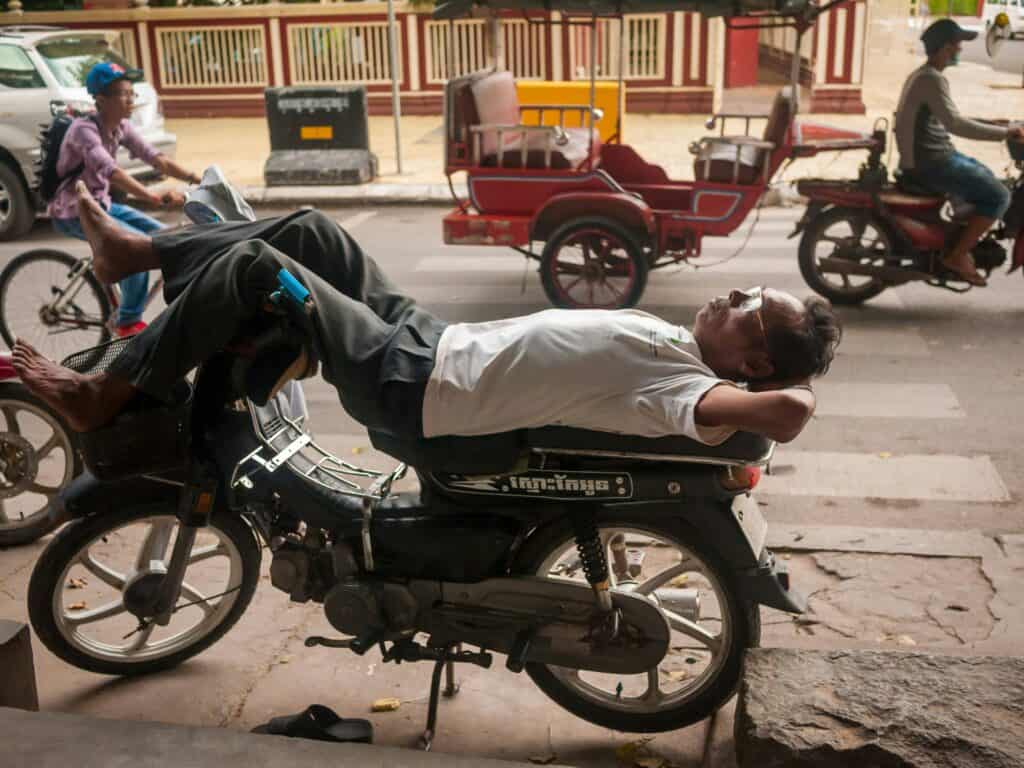
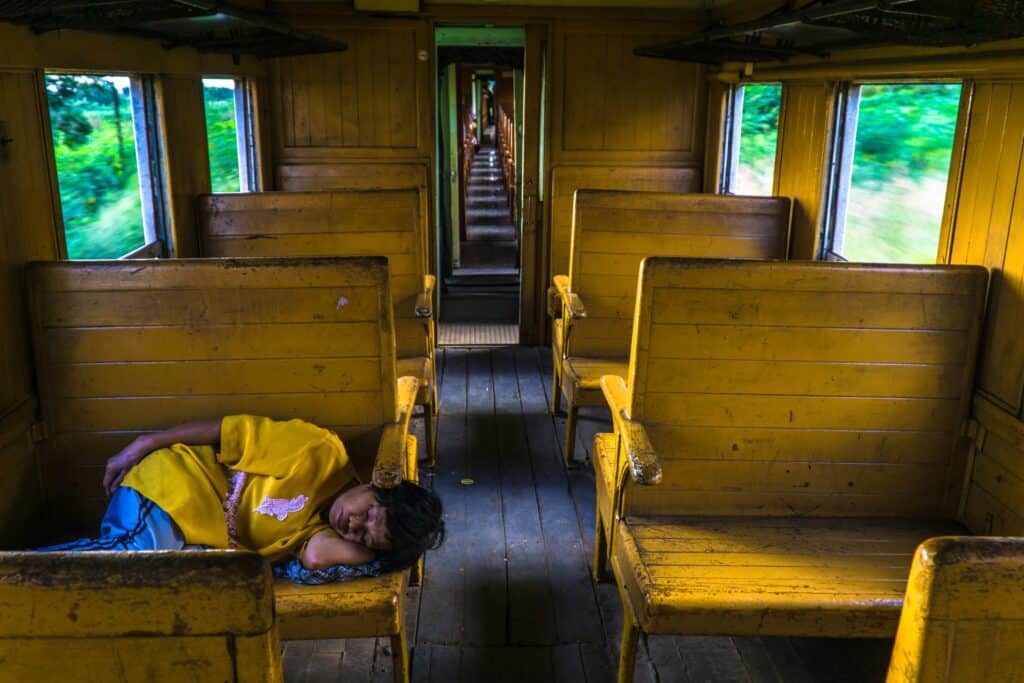
Sleep during transport is usually light, but small adjustments help. A neck pillow supports the head and reduces stiffness. A hoodie or buff can block light and create a sense of privacy. Staying hydrated will also help a lot.
Camping and Outdoor Sleep
Sleeping in nature can be incredible, but it also comes with challenges. Cold ground, wind, early sunlight or unfamiliar sounds can easily disturb your rest. A quality sleeping mat is essential. Insulation from the ground often matters more than travelers realize.
Choosing a sheltered camping spot, managing your body temperature and creating a simple evening routine all help signal to your body that it’s time to relax. After long days of hiking or outdoor activities, good sleep becomes crucial for muscle recovery, injury prevention and maintaining energy for the journey ahead.
Vanlife Sleep Tips
Vanlife offers freedom but sleep quality depends on where and how you park. Quiet locations away from traffic and artificial light improve rest significantly. Ventilation helps prevent condensation and improves air quality.
Accept Imperfect Travel Sleep
Not every night will be good. Travel involves unpredictability. Instead of stressing about poor sleep, allow slower mornings, short naps and recovery days. Over time you will become more resilient and learn how to rest in almost any situation.
Quick Travel Sleep Kit
A few lightweight items can help improve sleep while travelling:
- Earplugs
- Eye mask
- Neck pillow or inflatable pillow
- Buff or hoodie
- Lightweight sleeping liner
- Magnesium or melatonin (optional)
Don’t Overstimulate Your Brain Before Bed
One of the biggest things that affects sleep is how much stimulation your brain gets before bedtime.
Scrolling on your phone, watching intense videos, working late, or constantly checking messages keeps your brain active when it should be slowing down. Your body needs a bit of time to transition into sleep.
Instead of jumping straight from screens to bed, it helps to do something more relaxing for a while. Reading a few pages of a book, stretching, writing a few thoughts down, or simply sitting quietly can help your mind slow down.
Try to Keep a Consistent Sleep Schedule
The body likes rhythm.
Going to bed and waking up at roughly the same time every day makes it much easier for your body to fall asleep naturally.
When your sleep schedule constantly changes, your body never really knows when it’s supposed to rest.
This is something you especially notice when traveling across time zones. It often takes a few days before your body finds its rhythm again.
Get Sunlight During the Day
Spending time outside during the day helps your body regulate its natural sleep cycle. Sunlight signals to your body that it’s daytime, which later helps it understand when it’s time to sleep. Even something simple like going outside for a short walk during the day can already help.
If you spend most of your time indoors under artificial light, your body doesn’t always get those clear signals.
Be Careful With Caffeine
Caffeine can stay in your system longer than most people think.
For many people it’s a good idea to avoid caffeine later in the afternoon, especially if you’re sensitive to it.
Coffee in the morning is usually fine, but that late afternoon coffee can sometimes make it harder to fall asleep later.
Avoid Heavy Meals Right Before Bed
Eating a big meal right before going to bed can make sleep more restless. Your body is still busy digesting, which can make it harder to fully relax.
It’s usually better to eat dinner a few hours before going to sleep.
Move Your Body During the Day
Physical activity is one of the most natural ways to improve sleep. When you’ve been active during the day, your body naturally feels ready to rest at night.
Long days outside, sports, or even a simple workout often lead to much deeper sleep.
Make Your Sleeping Environment Comfortable
The place where you sleep also makes a big difference.
A few simple things can help a lot:
- a dark room
- a cool temperature
- minimal noise
When traveling, small things like earplugs or a sleep mask can be very helpful, especially in hostels or unfamiliar places.
Final Thoughts
Sleep isn’t something you can shortcut.
There are always new trends promising better sleep through gadgets or supplements, but in reality the basics usually matter the most.
Getting daylight, staying active, limiting stimulation before bed, and keeping a consistent routine already goes a long way.
When you sleep well, you feel it in everything you do the next day.
Related Articles
If you’re interested in traveling lighter and making adventure travel simpler, you might also enjoy these articles:
What to Bring on an Outdoor Backpacking Trip – a simple packing list for remote trips and outdoor adventures.
The Best Travel Apps I Use on the Road – a small selection of useful apps that make navigating, planning, and traveling much easier.
What’s in My Backpack – a look at the gear I carry on most of my trips and how I try to keep things light and practical.